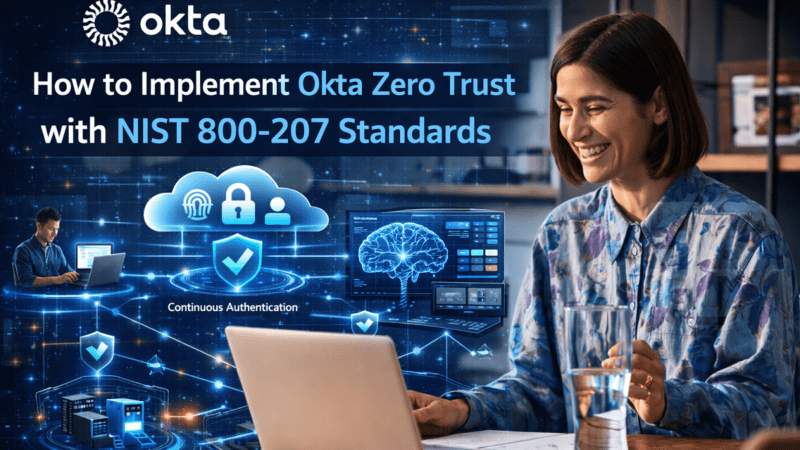
Okta Zero Trust implements NIST 800-207 by mapping the Okta Identity Provider (IdP) to the Policy Decision Point (PDP) and its distributed agents or gateways to Policy Enforcement Points (PEP). This architecture ensures that every
Okta Zero Trust implements NIST 800-207 by mapping the Okta Identity Provider (IdP) to the Policy Decision Point (PDP) and its distributed agents or gateways to Policy Enforcement Points (PEP). This architecture ensures that every

HeyGen AI serves as a high-leverage, no-code platform designed to architect realistic AI avatar videos from text-based scripts, facilitating the rapid production of high-retention educational assets. By using HeyGen AI, technical professionals can execute script-to-video

Enterprise AI development is the systematic process of architecting, deploying, and governing machine learning systems within production-grade environments. Utilizing a unified platform like Vertex AI, organizations can bridge the gap between experimental data science and
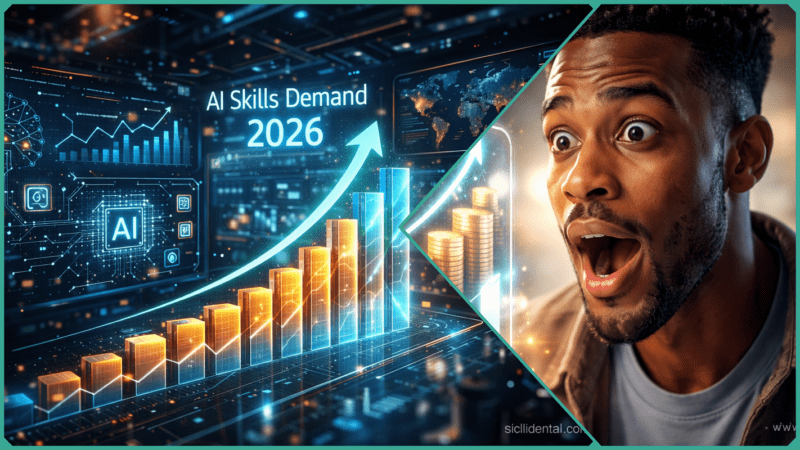
In the 2026 landscape, choosing a technical stack is a high-leverage career decision that dictates your long-term market value. Vertex AI stands at the center of this shift as Google Cloud’s managed AI platform, engineered

Public sector leadership in 2026 is no longer about managing headcount, but about orchestrating high-leverage systems. A High-Value Tech Skill in this era refers to any competency delivering outsized ROI through efficiency, compliance, and scalability

An SMM panel functions as a centralized marketplace for synthetic social media engagement, facilitating the bulk acquisition of followers, likes, and views through automated delivery networks. While these systems promise rapid social proof, they operate
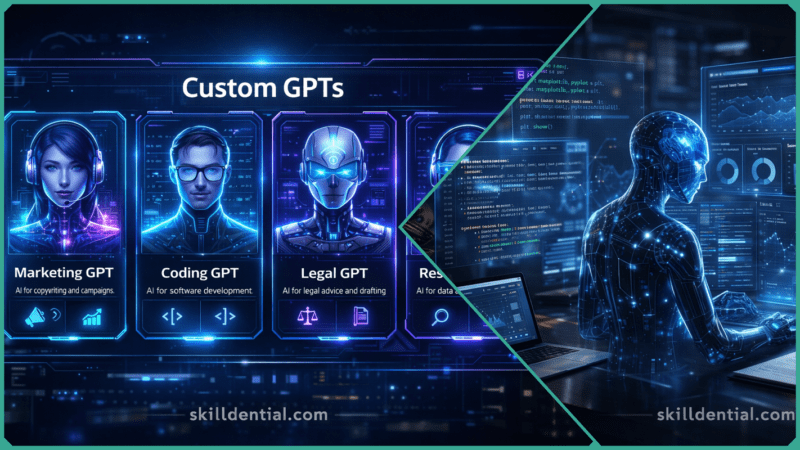
ChatGPT features have evolved into advanced capabilities within OpenAI’s interface that extend far beyond basic prompting. Today, these tools enable autonomous research, multi-modal analysis, and deep workflow integration for technical professionals. Key updates include Prism

The TalentPop App serves as a strategic infrastructure layer connecting global enterprises with a pre-vetted, elite pool of remote operational talent. By integrating sophisticated AI-driven ticket routing, the platform automates 30–50% of routine queries, allowing
While Learning Python remains the conventional entry point into the tech ecosystem, its role has fundamentally shifted in 2026. As a high-level, interpreted language, Python’s strength lies in its abstraction and its robust library ecosystem—specifically
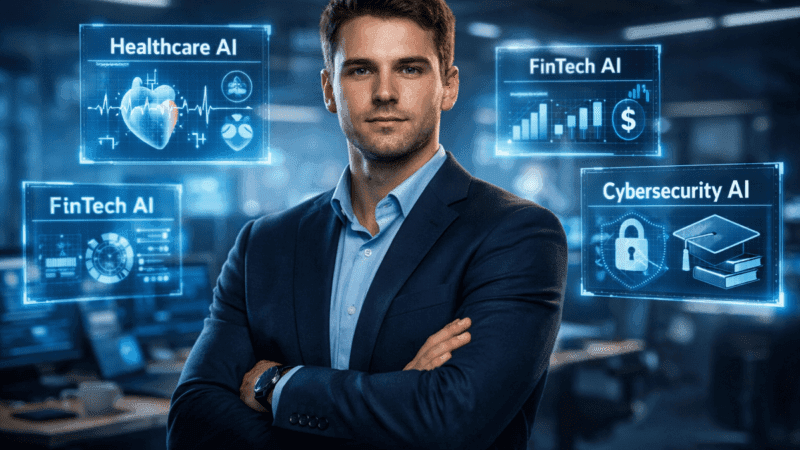
Masters Graduates hold advanced degrees specializing in fields like education, law, humanities, or public administration. In 2026, this demographic faces a “Master’s Paradox”: possessing deep theoretical expertise while navigating a labor market where AI is
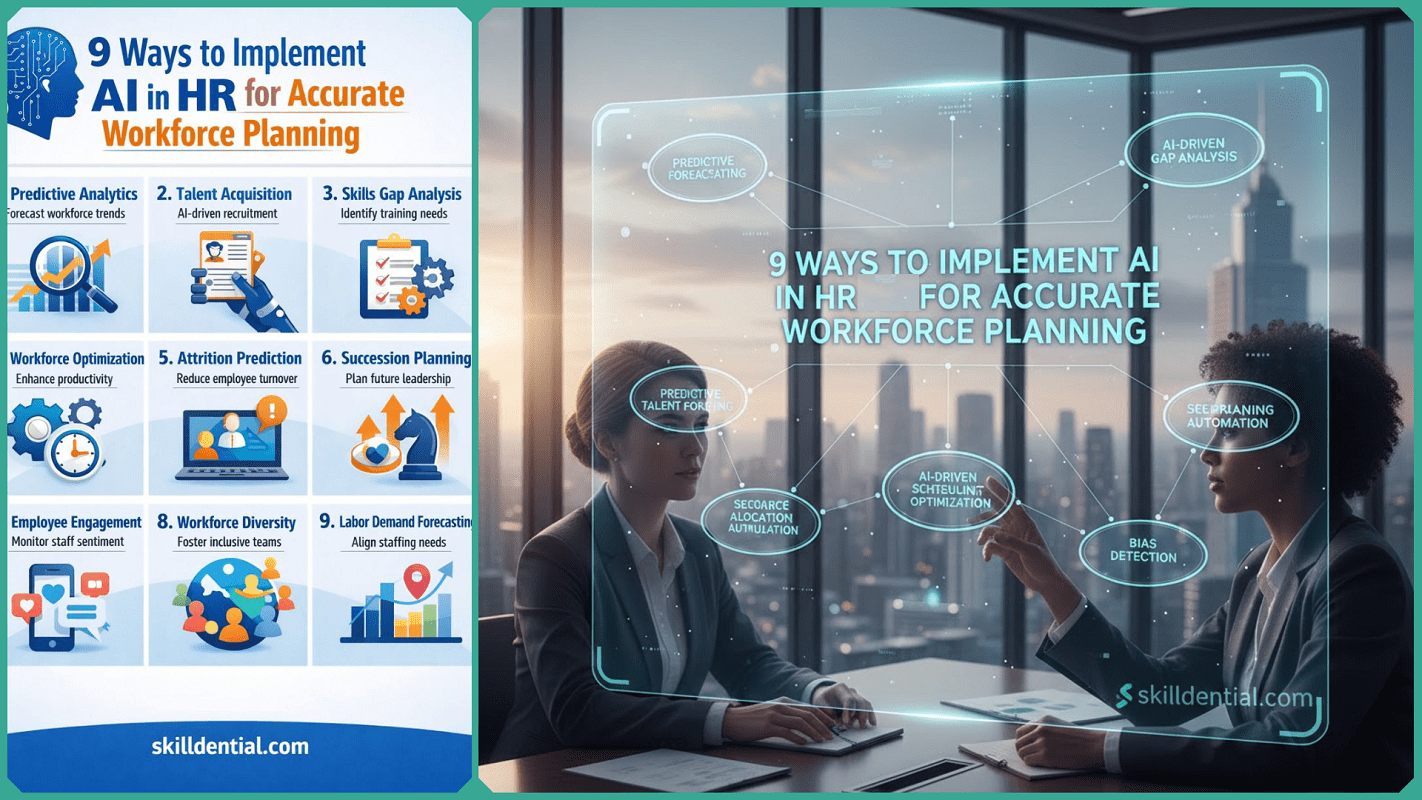
AI in HR leverages machine learning and predictive analytics to transform human resource functions into data-driven strategic assets. By processing high-velocity datasets from HRIS via neural networks, these systems forecast talent requirements and identify latent
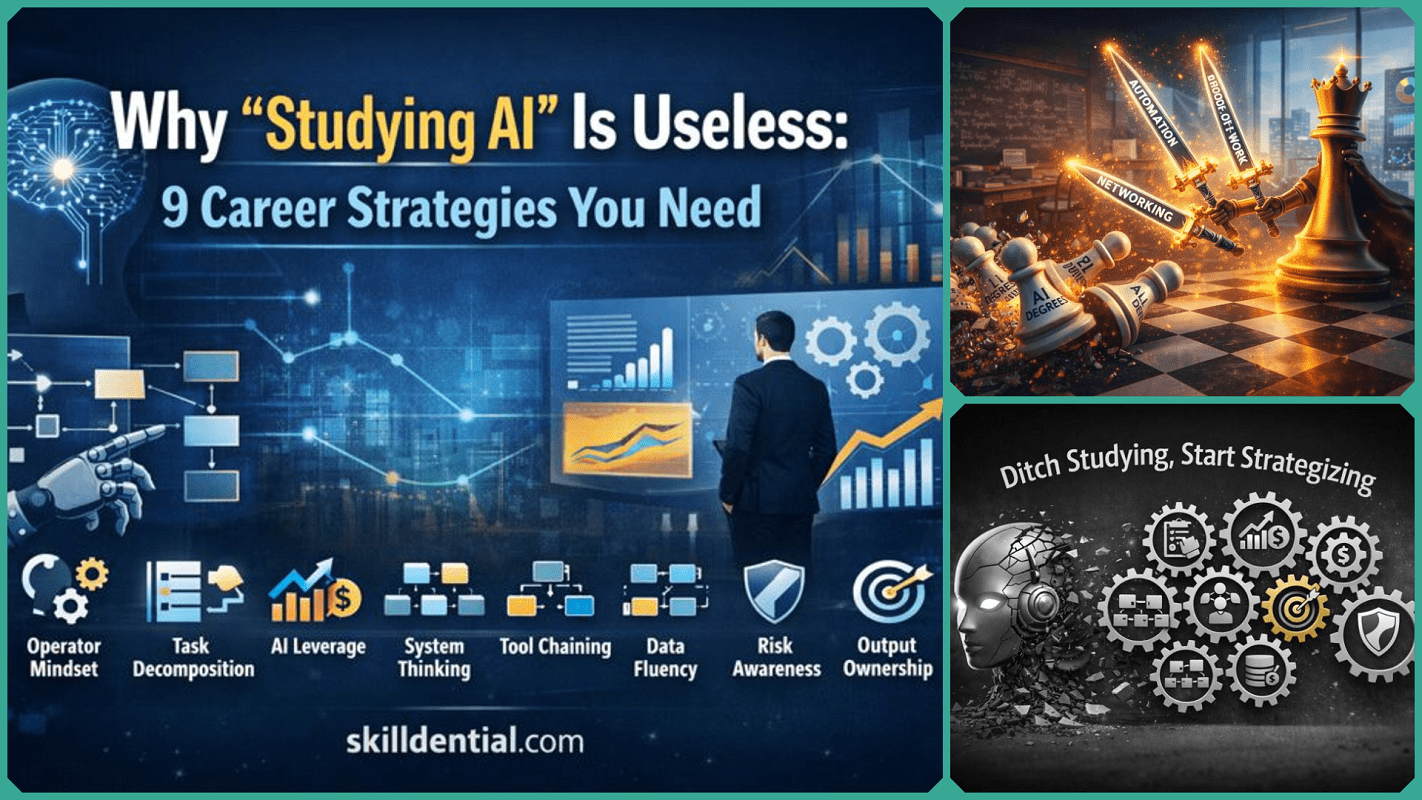
Everyone is “studying AI,” but very few are actually winning because of it. While the world chases certificates and tool familiarity, the data tells a different story. Research shows that most AI training fails to