
A technical skill is a measurable competency in a specific domain, tool, or methodology required to execute complex engineering tasks. Mastery is achieved through direct engagement with primary documentation, open-source repositories, and sandbox environments rather
Tag: AI Career Skills
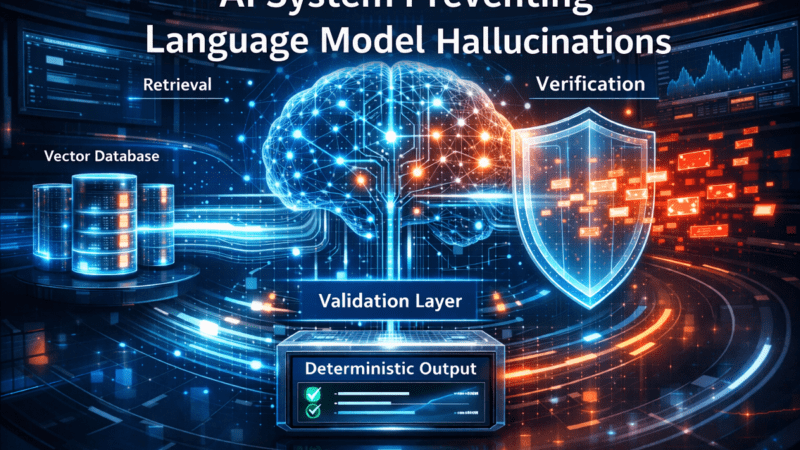
In the current landscape of Large Language Model (LLM) deployment, the primary barrier to production-grade reliability is the tendency for models to generate plausible but factually incorrect data. To prevent AI hallucination, developers must move
The free AI API landscape has evolved into a strategic battleground for developers in 2026. While many still rely on standard chatbots, high-leverage technical professionals are now utilizing programmatic access to frontier models to bridge
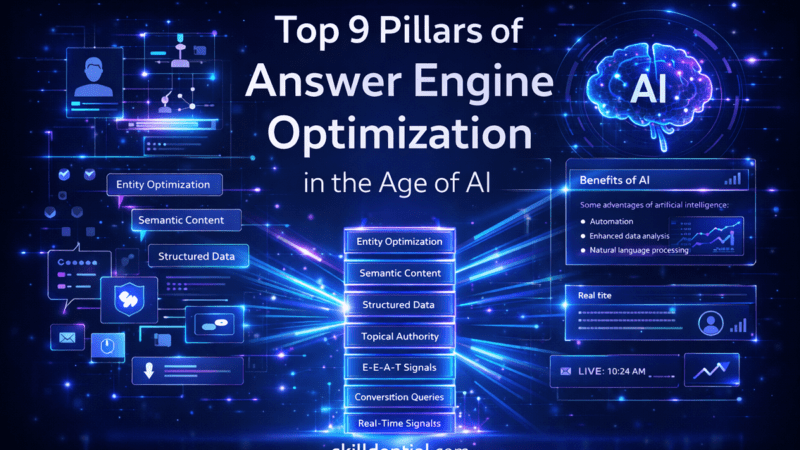
Answer Engine Optimization (AEO) is the technical practice of engineering content for direct citation and synthesis by Large Language Model (LLM) agents, including Perplexity, Gemini, and SearchGPT. Unlike traditional Search Engine Optimization (SEO), which targets
The 2026 AI Engineering Roadmap is a high-leverage framework designed to bridge the gap between technical education and industry success. As frontier models like GPT-5 become commodities, professional leverage shifts from prompt execution to System
Online HR degrees now integrate core human resources management with advanced data science, prioritizing technical fluency in SQL, Python, R, and Tableau for predictive workforce modeling. These high-leverage programs prepare professionals for elite roles—such as
While Learning Python remains the conventional entry point into the tech ecosystem, its role has fundamentally shifted in 2026. As a high-level, interpreted language, Python’s strength lies in its abstraction and its robust library ecosystem—specifically
Masters Graduates hold advanced degrees specializing in fields like education, law, humanities, or public administration. In 2026, this demographic faces a “Master’s Paradox”: possessing deep theoretical expertise while navigating a labor market where AI is
Nigerian Educational Design is the structural architecture of the nation’s human capital development, codified by the National Policy on Education. Historically defined by the 6-3-3-4 system, the design prioritizes a transition from foundational literacy to
Navigating the transition from local systems to international institutions requires a strategic approach. An academic prep checklist for African students outlines the essential steps needed to bridge the gap between Nigerian education standards and global
To become a software engineer without a computer science degree is a viable career path for thousands of professionals every year. To successfully become a software engineer, you must master programming fundamentals, build projects, and
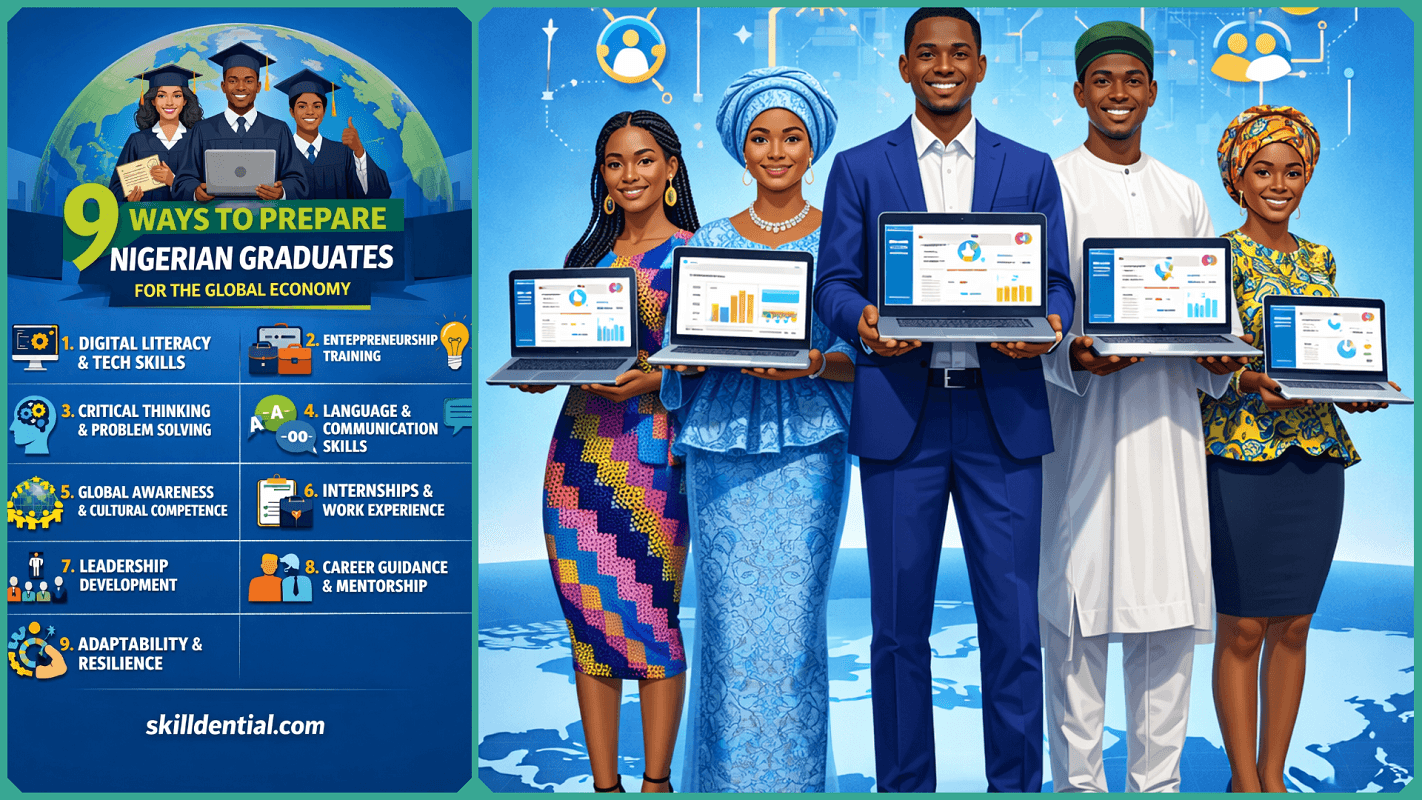
A Nigerian graduate holds a bachelor’s, HND, or higher degree from a local tertiary institution. While Nigeria produces over 500,000 graduates annually, the youth unemployment rate sits at 53%, driven by critical gaps in digital