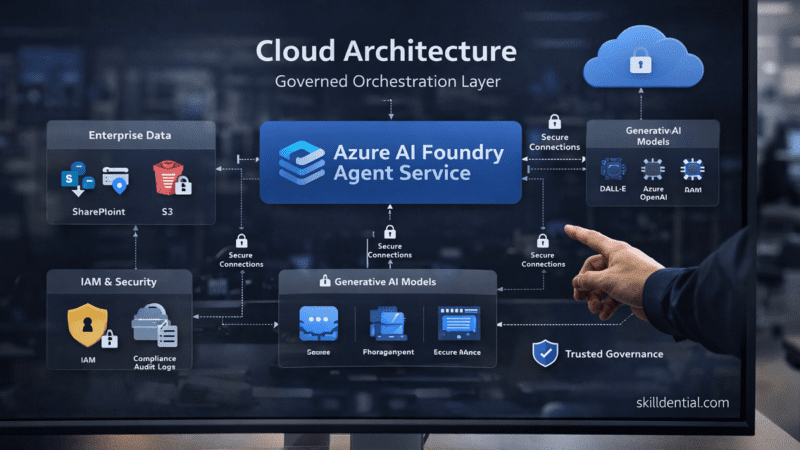
An AI orchestration platform is the critical infrastructure layer that coordinates models, data pipelines, and external tools into a unified, reliable system. Unlike standalone chatbots, an AI orchestration platform centralizes prompt management, long-term memory, and

Tag: Artificial Intelligence
You can humanize AI content by increasing linguistic variability, injecting verifiable human experience, and embedding up-to-date context that generic models lack. Modern detectors analyze patterns such as perplexity, burstiness, and syntactic repetition to assign AI
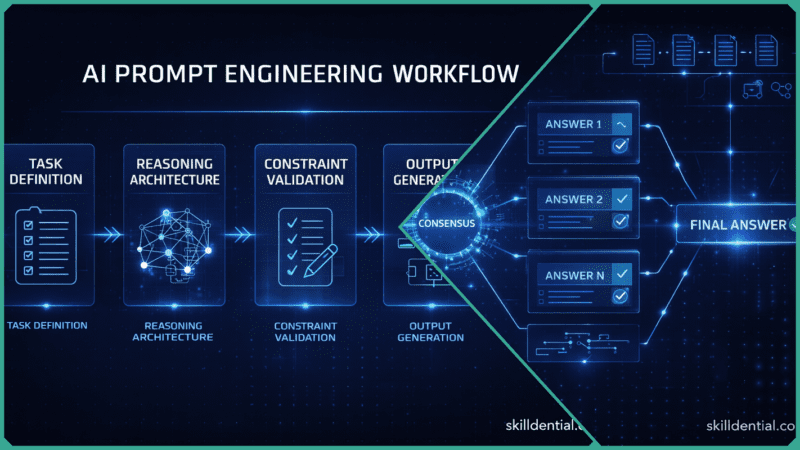
A ChatGPT Prompting Architecture is a structured framework that transitions Large Language Models (LLMs) from probabilistic conversationalists to deterministic engines for technical tasks. Unlike standard trial-and-error prompting, a robust ChatGPT Prompting Architecture combines structured instructions,
Digital health interoperability is the structural prerequisite for the secure exchange and longitudinal use of health data across heterogeneous systems. In 2026, the technical baseline is defined by the HL7 FHIR standard for API-driven sharing
Ethical AI certification is no longer an elective credential; it is a strategic necessity for navigating the transition from experimental AI to enforceable global governance. This certification validates technical expertise in risk management and algorithmic
A no-code development platform acts as a visual orchestration layer that abstracts the complexities of traditional software engineering. By utilizing drag-and-drop UI builders and pre-configured workflow engines, these environments enable rapid deployment of functional applications
An AI PDF tool is no longer just a summarization aid; it is the core engine for building interactive knowledge systems. By leveraging Natural Language Processing (NLP) and Retrieval-Augmented Generation (RAG), these tools transform static
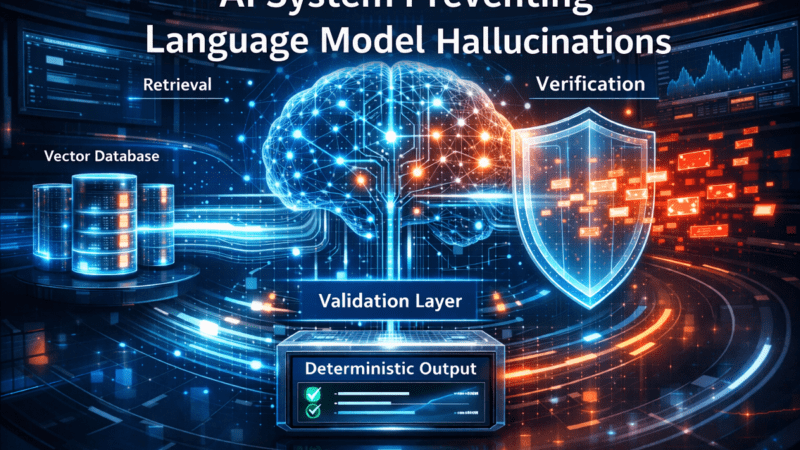
In the current landscape of Large Language Model (LLM) deployment, the primary barrier to production-grade reliability is the tendency for models to generate plausible but factually incorrect data. To prevent AI hallucination, developers must move
System automation integrates AI models into scalable frameworks to execute tasks independently, managing data processing, decision-making, and complex workflows without manual intervention. By utilizing components such as RAG (Retrieval-Augmented Generation) for context retrieval, API orchestration
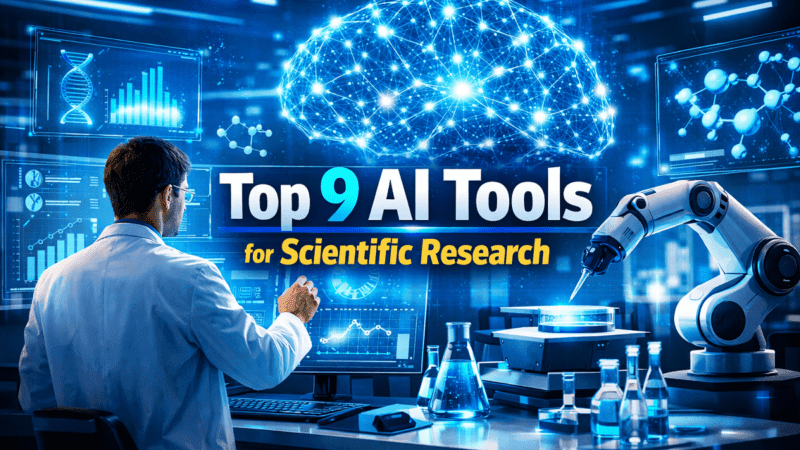
Scientific research is the systematic pillar of discovery, requiring rigorous literature review, hypothesis testing, and data validation. However, as global output surges to over 3 million papers annually, traditional manual methods are no longer sustainable.
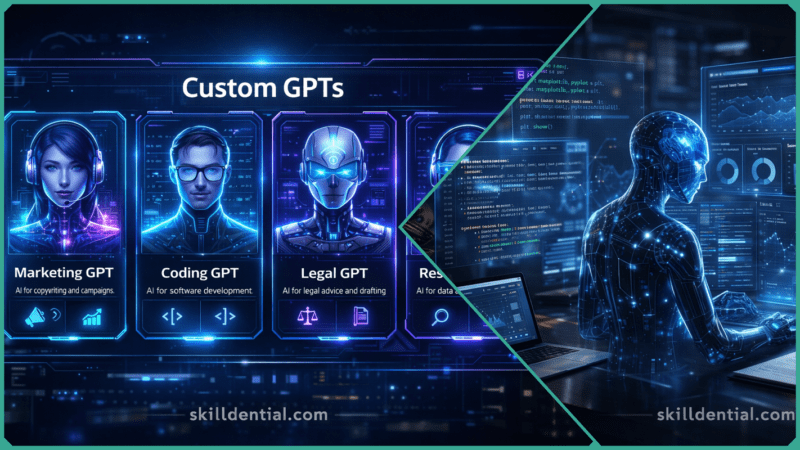
ChatGPT features have evolved into advanced capabilities within OpenAI’s interface that extend far beyond basic prompting. Today, these tools enable autonomous research, multi-modal analysis, and deep workflow integration for technical professionals. Key updates include Prism
Digital literacy encompasses proficiency in using digital tools for computational thinking, coding, data ethics, and AI applications beyond basic software use. In the competitive landscape of Lagos secondary education, premier programs distinguish themselves by integrating