While Learning Python remains the conventional entry point into the tech ecosystem, its role has fundamentally shifted in 2026. As a high-level, interpreted language, Python’s strength lies in its abstraction and its robust library ecosystem—specifically
Tag: Digital Transformation
Masters Graduates hold advanced degrees specializing in fields like education, law, humanities, or public administration. In 2026, this demographic faces a “Master’s Paradox”: possessing deep theoretical expertise while navigating a labor market where AI is
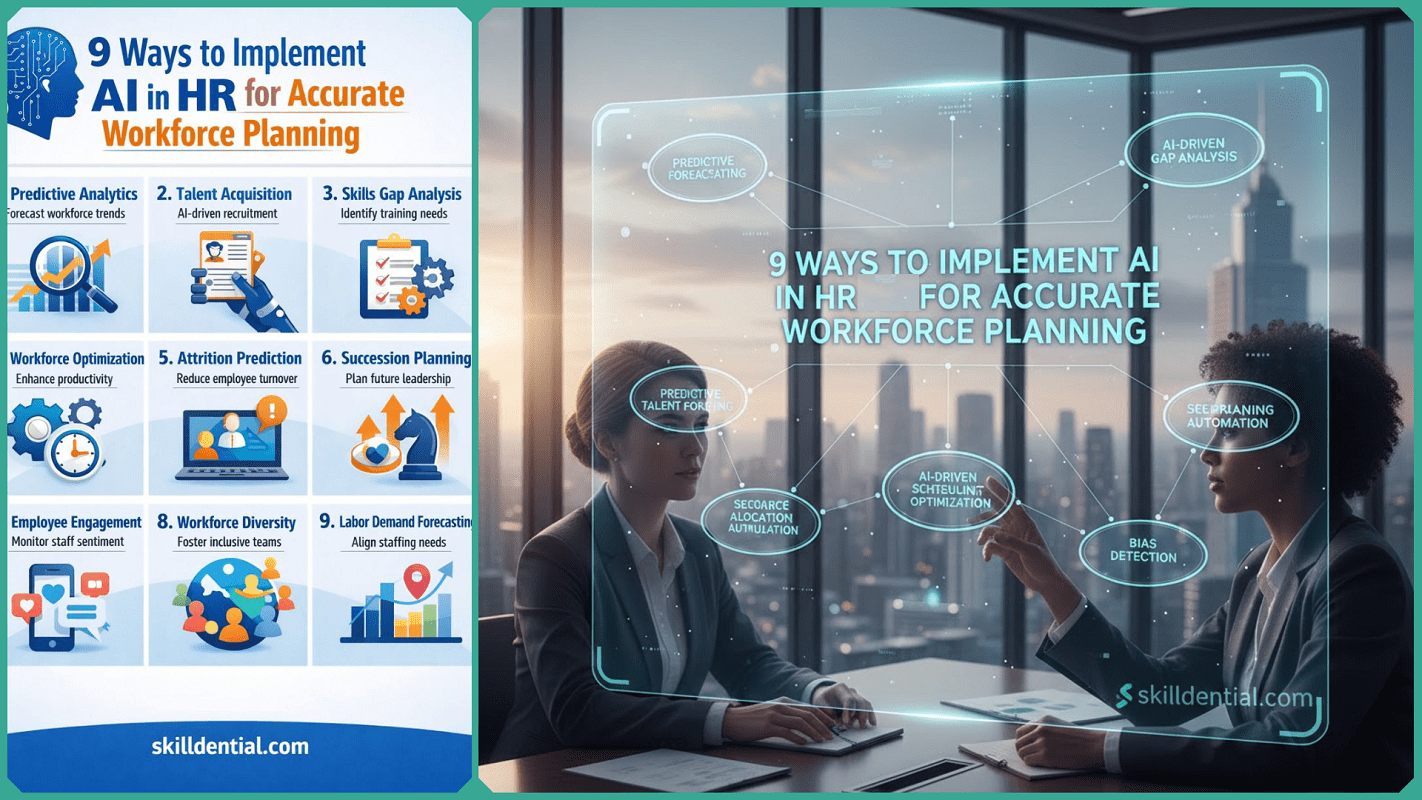
AI in HR leverages machine learning and predictive analytics to transform human resource functions into data-driven strategic assets. By processing high-velocity datasets from HRIS via neural networks, these systems forecast talent requirements and identify latent
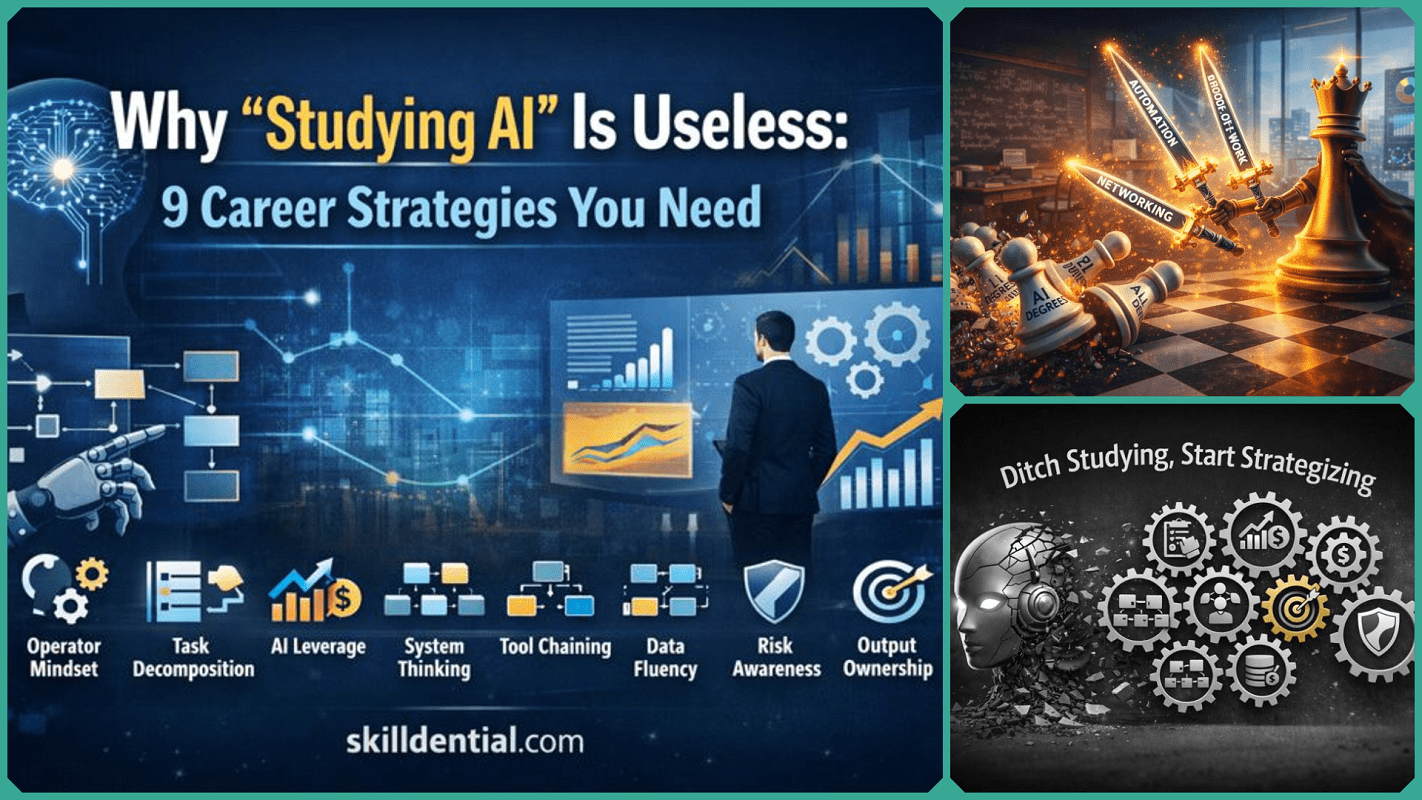
Everyone is “studying AI,” but very few are actually winning because of it. While the world chases certificates and tool familiarity, the data tells a different story. Research shows that most AI training fails to
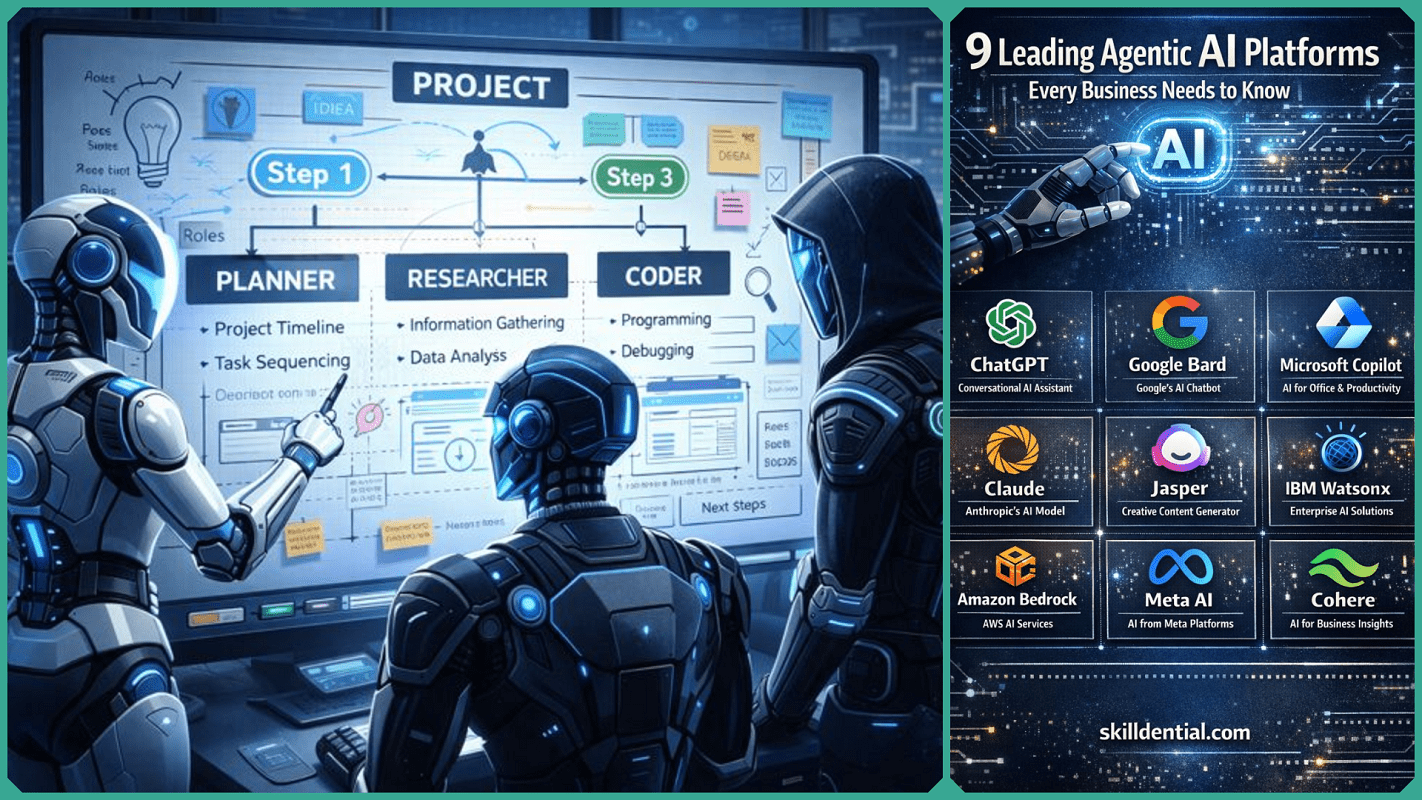
In the rapidly evolving landscape of 2026, the shift from conversational assistants to autonomous digital workers has reached a tipping point. An agentic AI platform is no longer just a trend; it is the essential
Using AI means applying artificial intelligence tools and systems to automate tasks, analyze data, and support decision‑making in work, learning, and business. In Nigeria, 88% of adults have already used AI chatbots—well above the global
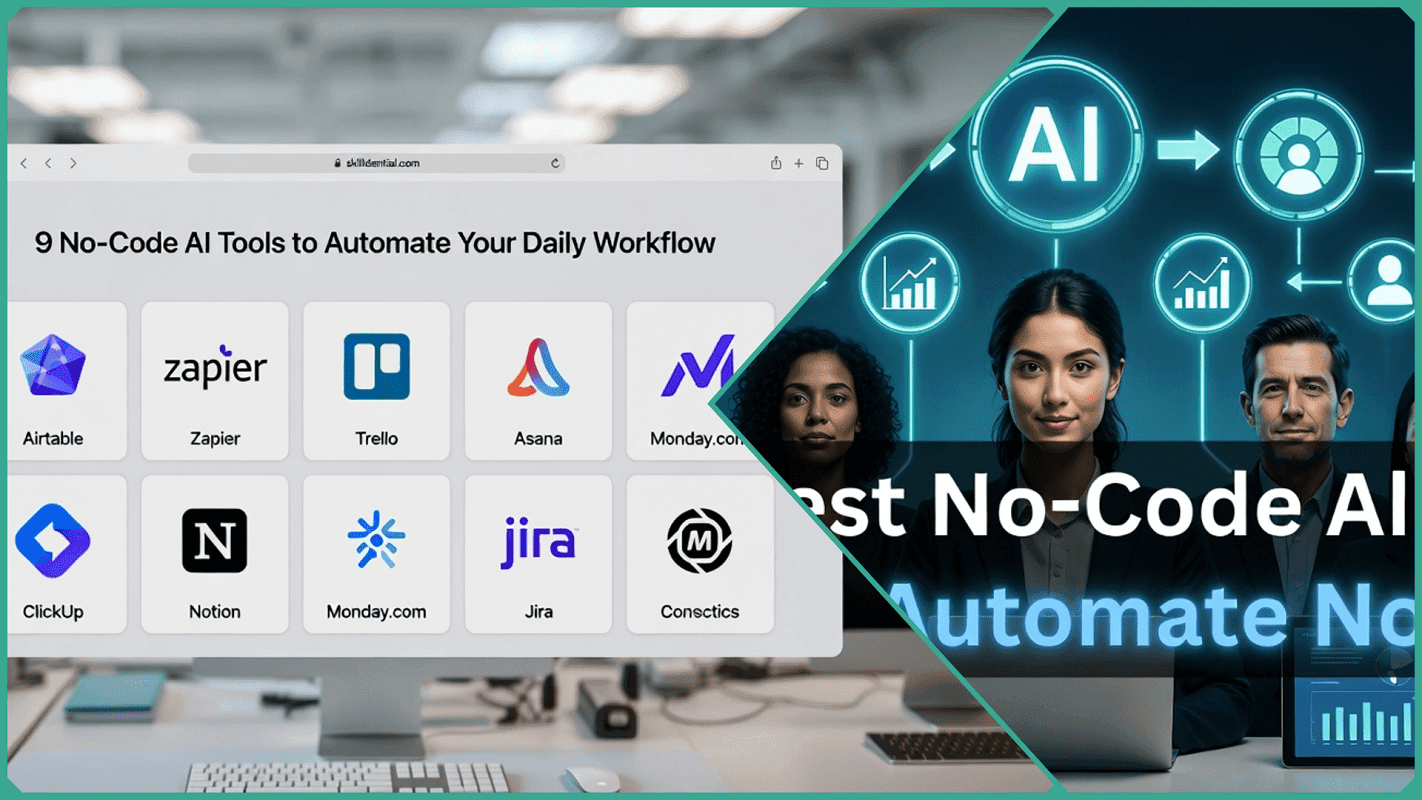
Imagine a workday where your most tedious, repetitive tasks vanish before you even log on. In 2026, this isn’t a luxury for tech giants—it’s the new standard for everyone. No-code AI tools have officially democratized
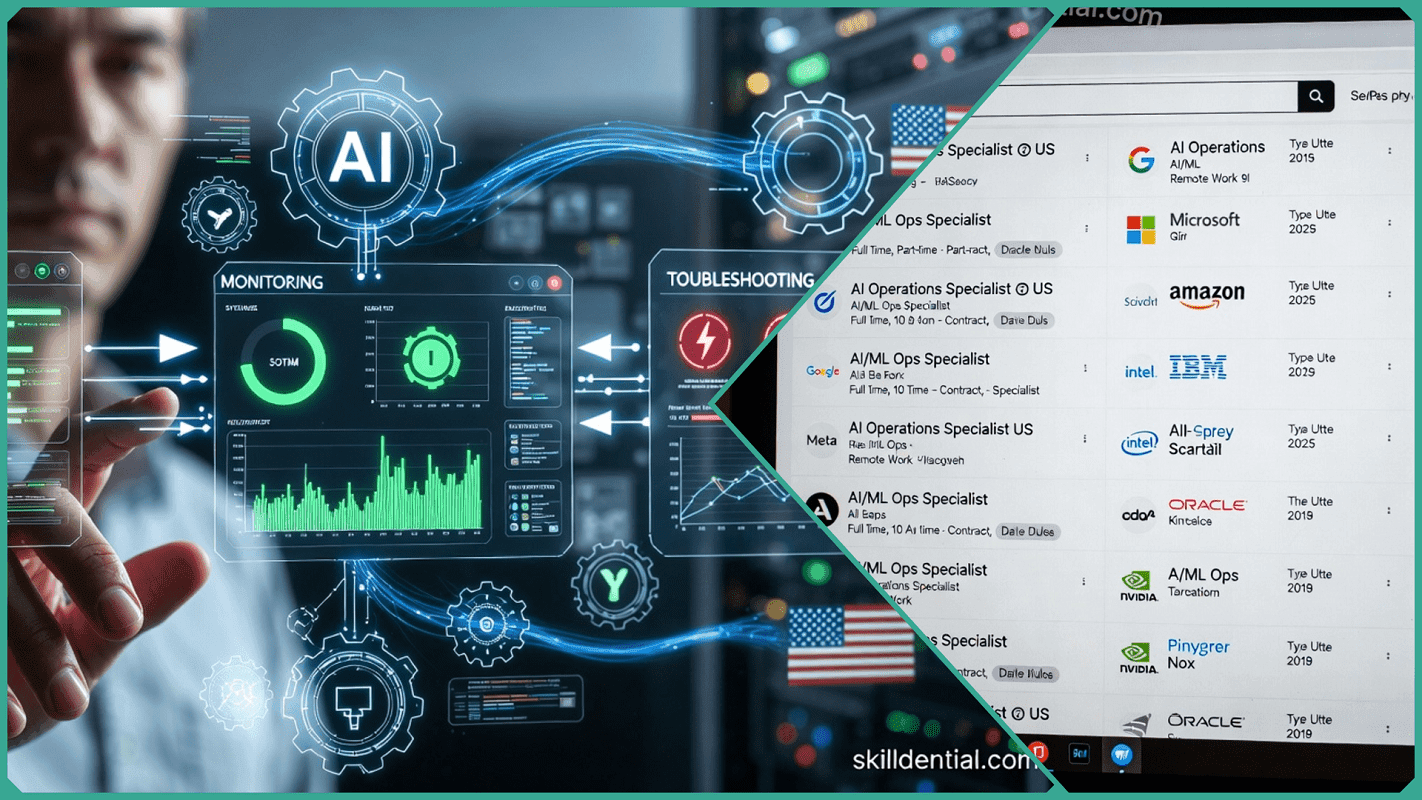
As companies move past the ‘AI hype’ and into full-scale implementation, a new critical role has emerged: the AI Operations (AIOps) Specialist. Acting as the bridge between raw code and real-world business results, these professionals
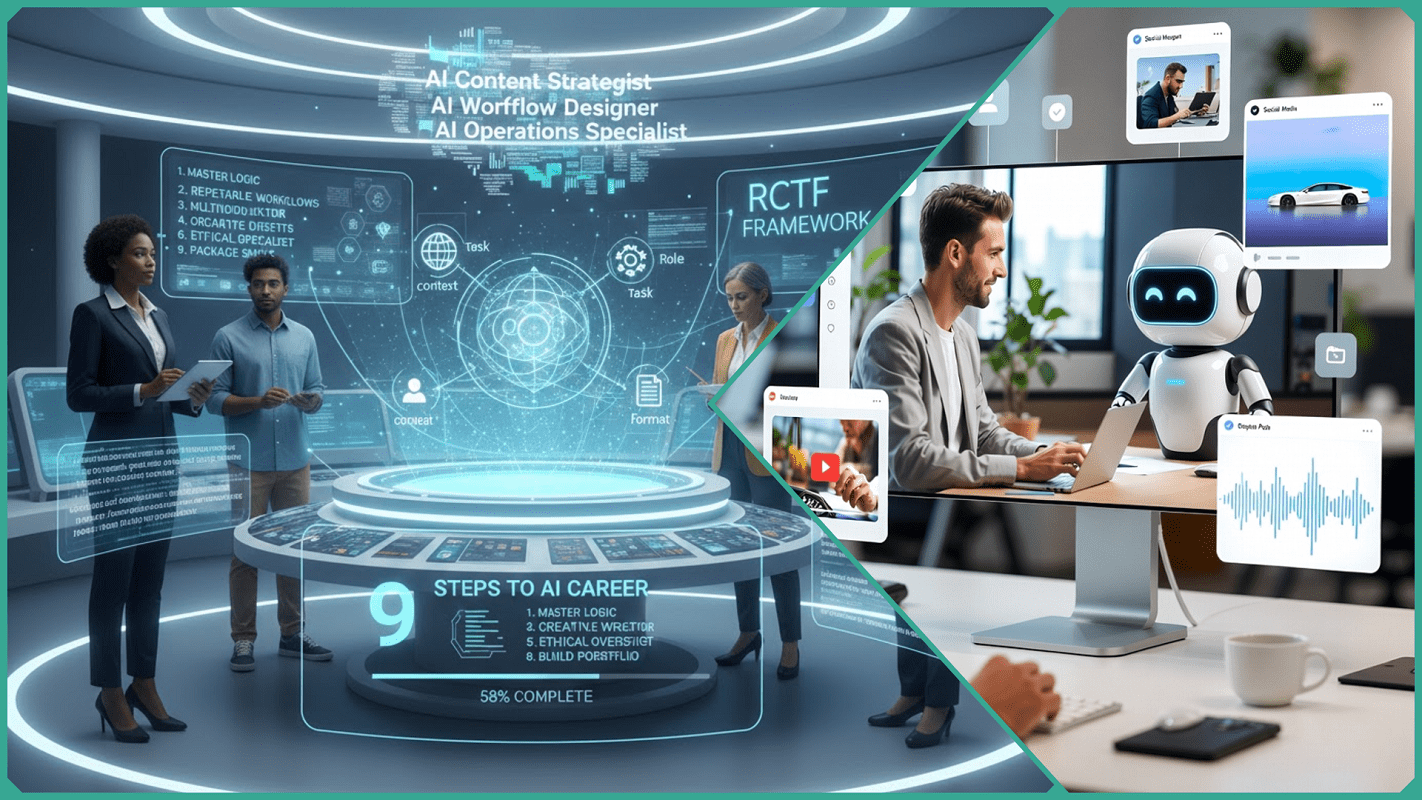
In 2026, you don’t need a computer science degree to build a career at the forefront of AI. A Prompt Engineering career has evolved into the art of ‘AI Orchestration’—designing, testing, and refining instructions that
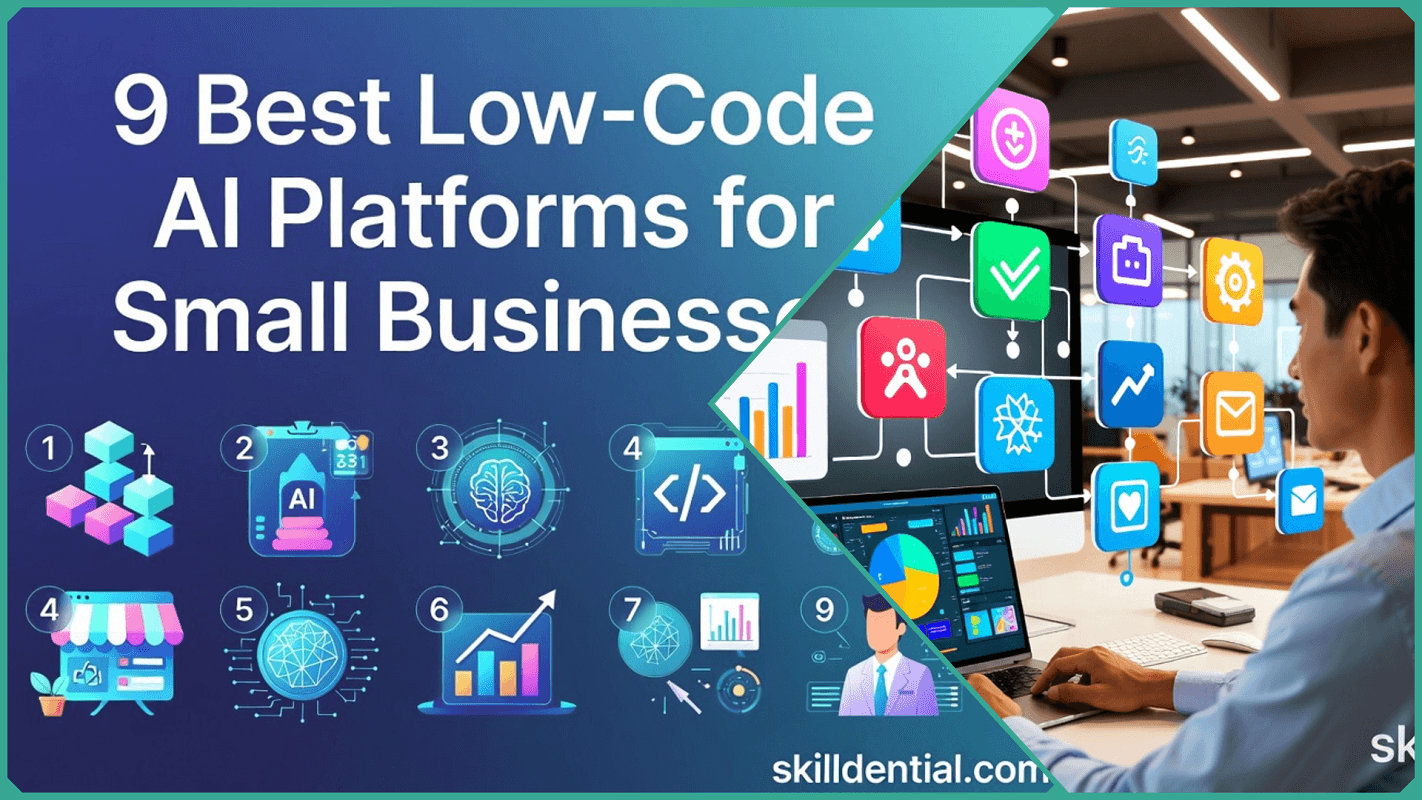
A low-code AI platform enables users to build and deploy AI applications using visual interfaces and minimal coding. These platforms support drag-and-drop workflows, pre-built AI models, and integrations for tasks like automation and predictive analytics.