
The rapid deployment of autonomous agents has created a systemic “Trust Gap” between technical execution and enterprise safety. AI Governance Certification is the solution to this divide. It’s a high-signal credential that verifies expertise in
AI, Certifications and Digital Skills
The rapid deployment of autonomous agents has created a systemic “Trust Gap” between technical execution and enterprise safety. AI Governance Certification is the solution to this divide. It’s a high-signal credential that verifies expertise in

The Google PM Certificate remains a primary entry point for professionals aiming to bridge the gap between technical education and industry success. Hosted on Coursera, this credential delivers a foundational framework in Agile, Scrum, and

The Google Data Analytics Professional Certificate is a job-focused, nine-course online program designed to prepare learners for entry-level data analyst roles. The curriculum covers the complete analytics workflow: asking business questions, preparing and cleaning data,

In the current economic landscape, the traditional four-year degree is no longer the sole arbiter of high earning potential. A strategic shift is occurring toward Six-figure trade jobs—high-level technical roles within the construction, energy, and

The Microsoft Cybersecurity Scholarship Program is more than a financial grant; it is a high-velocity bridge into the global defense landscape. By funding access to the Microsoft Cybersecurity Analyst Professional Certificate on Coursera, this initiative

The NYSC Certificate—officially the Certificate of National Service—is the mandatory credential issued to Nigerian graduates upon completing their one-year service term. While it remains a legal prerequisite, with over 65% of formal job postings requiring

Omniversity Imperial College LLC is redefining professional education by bridging the gap between real-world expertise and academic recognition. Operating as a legally registered private institution, it specializes in competency-based, practice-oriented training delivered entirely through distance

Navigating the transition from local systems to international institutions requires a strategic approach. An academic prep checklist for African students outlines the essential steps needed to bridge the gap between Nigerian education standards and global

A Nigerian graduate holds a bachelor’s, HND, or higher degree from a local tertiary institution. While Nigeria produces over 500,000 graduates annually, the youth unemployment rate sits at 53%, driven by critical gaps in digital
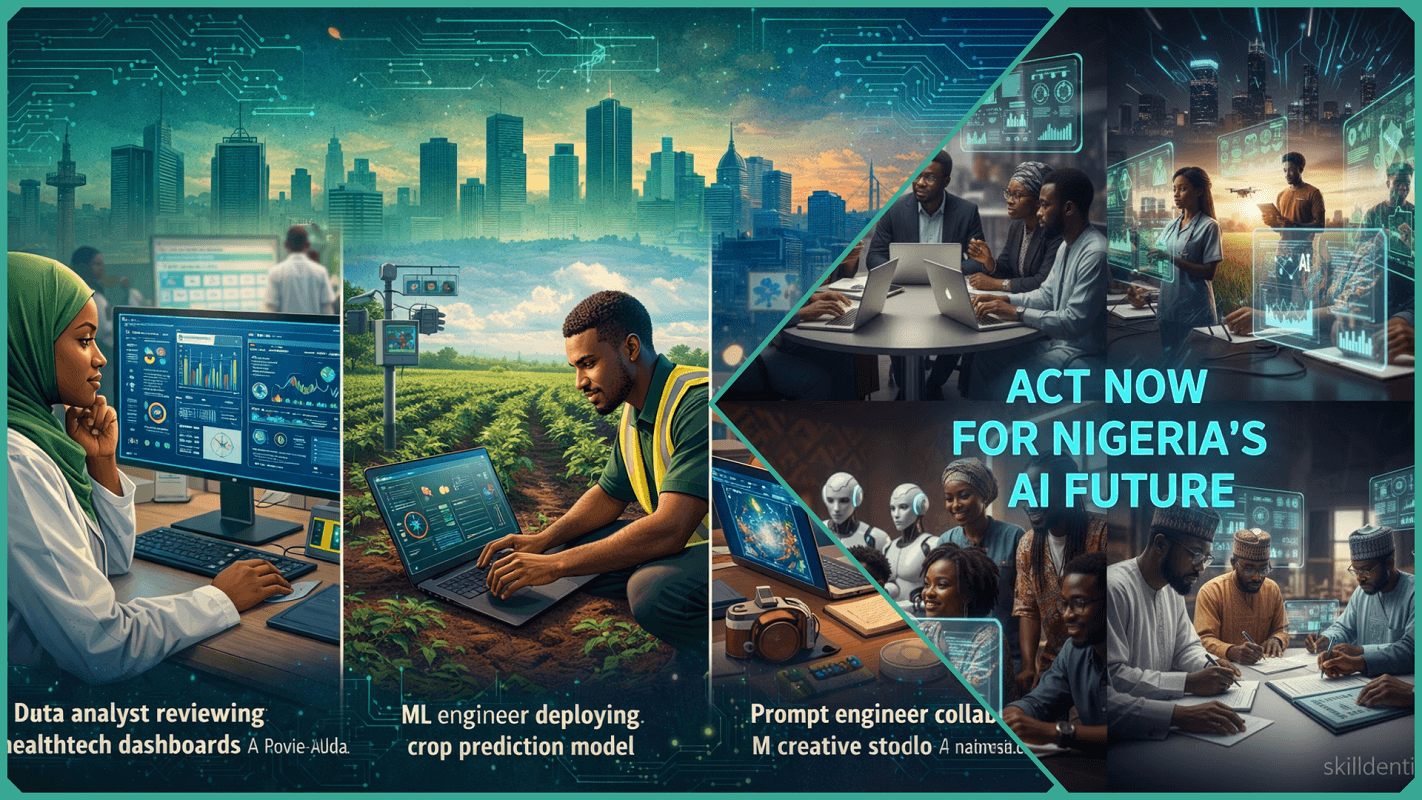
Nigerian education follows a traditional 6-3-3-4 structure—comprising primary, junior secondary, senior secondary, and tertiary levels. However, tertiary curricula often lag behind global demands, emphasizing theoretical computer science while lacking practical AI integration, using outdated programming