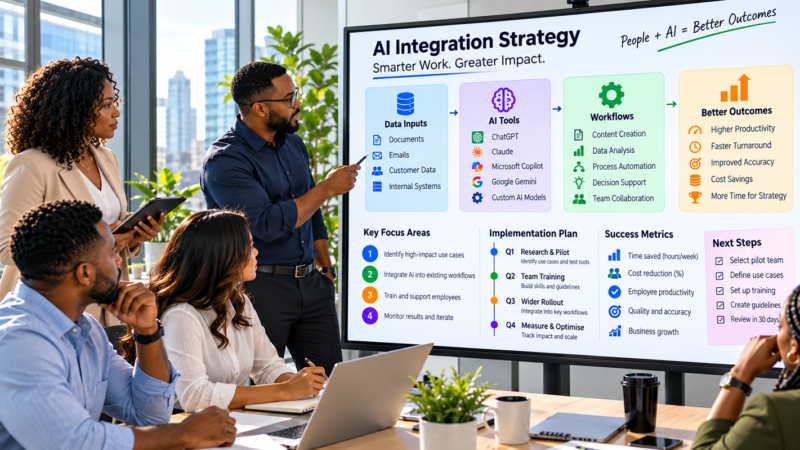
Artificial intelligence is changing how work gets done. From writing and research to data analysis, customer service and everyday administration, AI is becoming part of the modern workplace. But understanding AI for employees is not
AI, Certifications and Digital Skills
Artificial intelligence is changing how work gets done. From writing and research to data analysis, customer service and everyday administration, AI is becoming part of the modern workplace. But understanding AI for employees is not
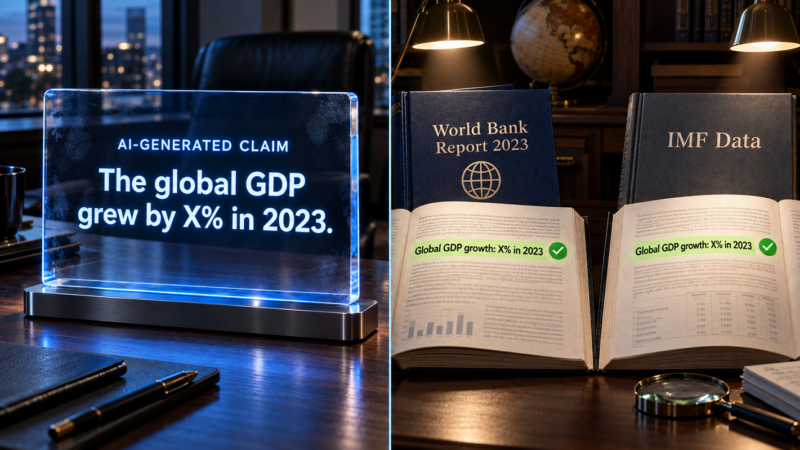
When a large language model (LLM) provides a detailed and confident response without citing any sources, it can be tempting to accept the information as accurate—especially when the explanation sounds logical and professionally written. However,

Choosing the right AI security solutions begins with understanding your organization’s unique risks, infrastructure, and AI use cases. Cloud-based businesses may benefit from security services built into their cloud platforms, while organizations developing or deploying
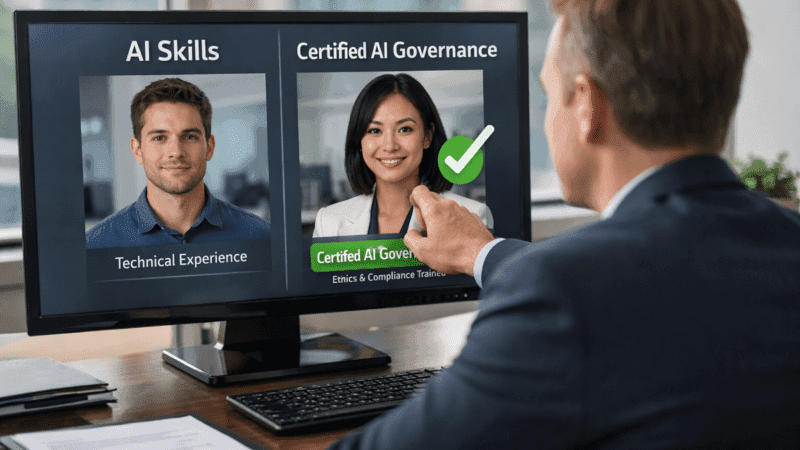
The rapid deployment of autonomous agents has created a systemic “Trust Gap” between technical execution and enterprise safety. AI Governance Certification is the solution to this divide. It’s a high-signal credential that verifies expertise in
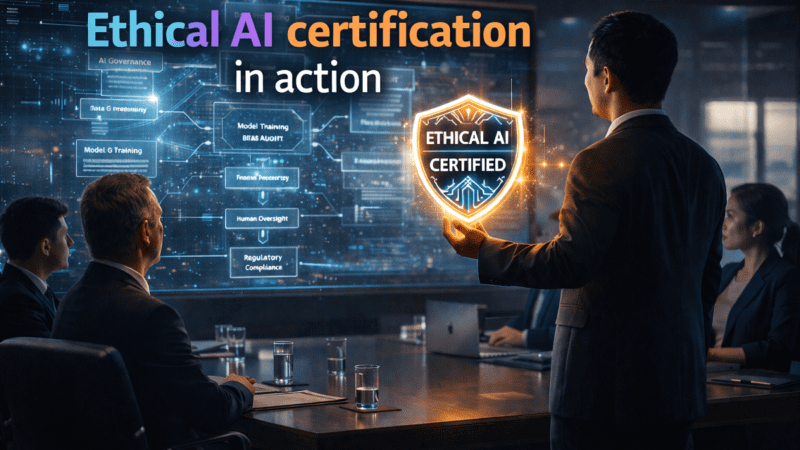
Ethical AI certification is no longer an elective credential; it is a strategic necessity for navigating the transition from experimental AI to enforceable global governance. This certification validates technical expertise in risk management and algorithmic

An SMM panel functions as a centralized marketplace for synthetic social media engagement, facilitating the bulk acquisition of followers, likes, and views through automated delivery networks. While these systems promise rapid social proof, they operate

In 2026, the conversation around AI has shifted. We are no longer debating if AI should be ethical; we are figuring out how to prove it. As Large Language Models (LLMs) transition from simple chatbots

By August 2026, compliance with the EU AI Act won’t just be a ‘nice-to-have’—it will be a legal prerequisite for doing business in Europe. For high-risk systems, Article 9 mandates a rigorous, continuous risk management

An AI prompt template is a reusable framework designed to turn generic AI responses into consistent, brand-aligned support. By combining specific instructions and context with modular variables—like {{customer_name}} or {{ticket_id}}—These templates act as a blueprint