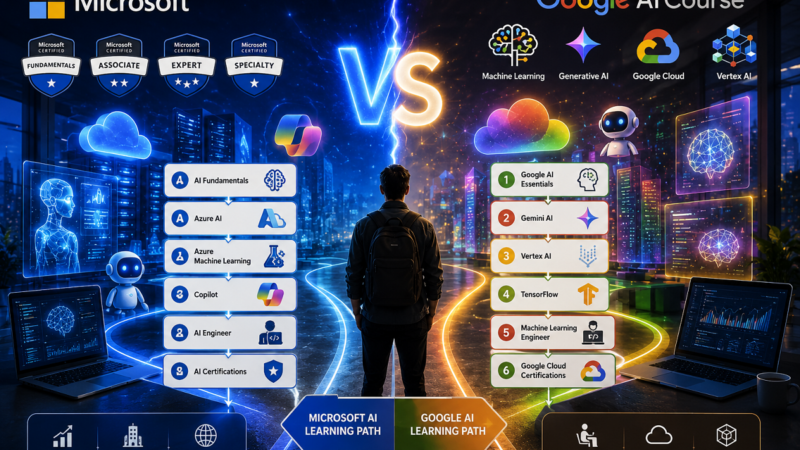
The Microsoft AI Learning Path and Google AI Learning Path are structured training routes designed to help you build in-demand technical skills within their respective cloud and software ecosystems. While Microsoft’s route emphasizes Azure integrations,
Tag: AI Engineer
Hugging Face competitors are platforms and infrastructure providers that offer alternative solutions for discovering, hosting, fine-tuning, and deploying machine learning models. Depending on their focus, these platforms specialize in open-source model repositories, low-latency cloud inference,
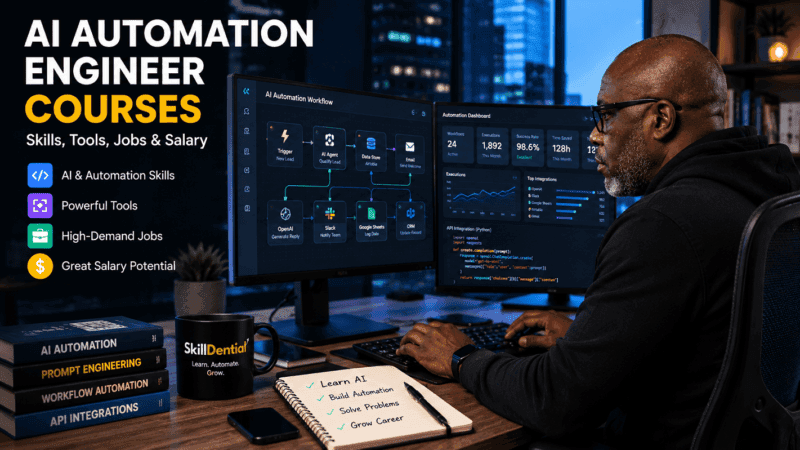
An AI Automation Engineer designs and implements end-to-end workflows that combine AI models with business systems to remove manual work at scale. They translate complex business processes into automated pipelines using tools like n8n, Make,
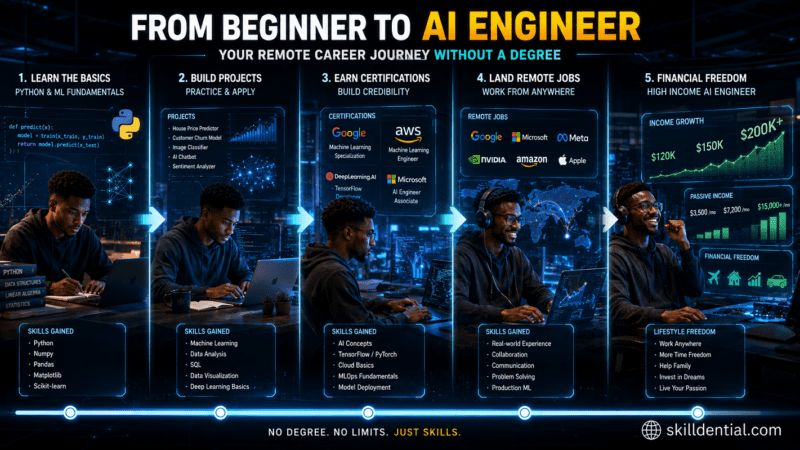
Securing one of the many entry-level AI engineer jobs available today requires more than just a degree; it demands a targeted blend of technical execution and strategic positioning. These beginner roles, typically spanning the 0–2
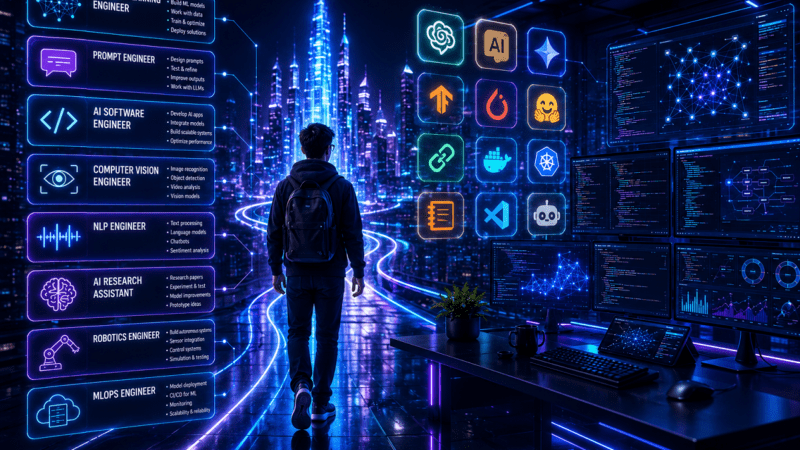
An AI engineer remote career is a highly technical path focused on designing, building, and deploying AI-driven systems that run in production, often accessed via APIs or cloud-hosted services. In practice, most remote-first AI engineering
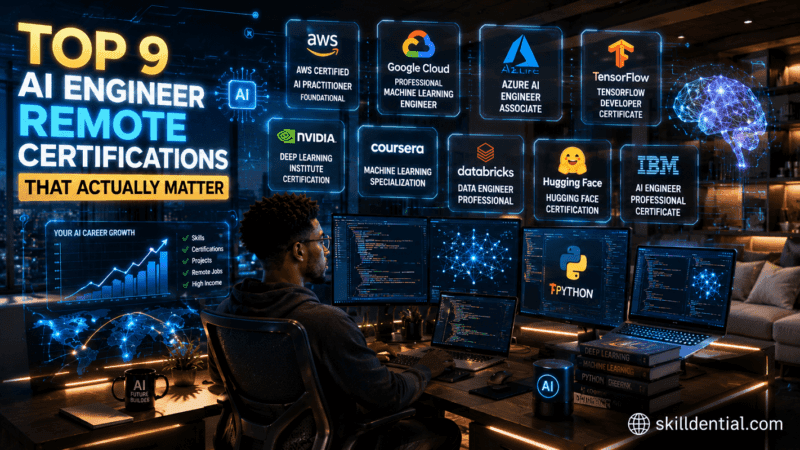
Securing premium remote roles in today’s distributed tech market requires more than theoretical knowledge; it demands verifiable proof of production-grade execution. AI Engineer Remote Certifications serve as these critical, vendor-aligned validation signals, proving to global
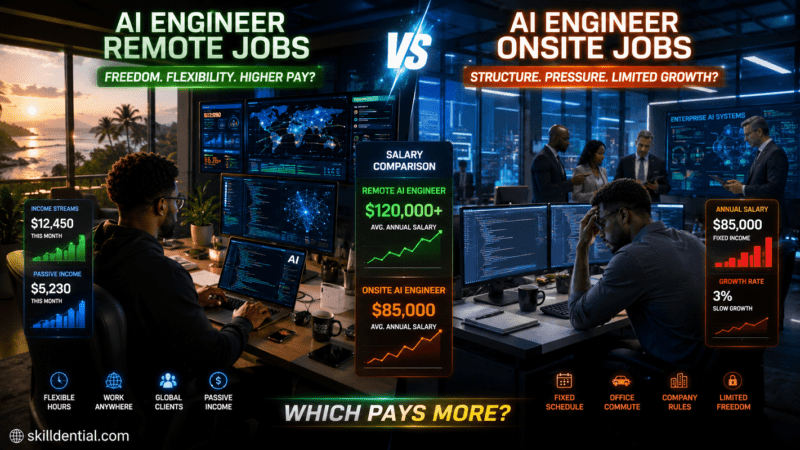
The landscape of technical compensation has fundamentally shifted, positioning the AI engineer remote job as a highly competitive alternative to traditional collocated positions. While remote roles often match or exceed onsite salaries, total compensation depends
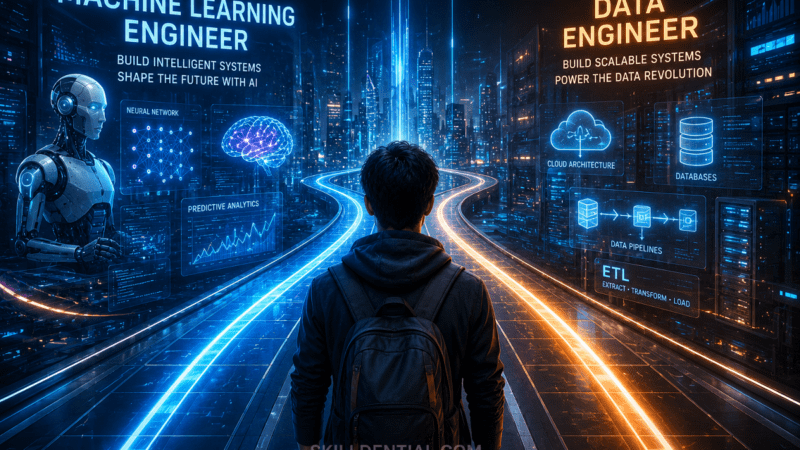
Deciding between a career as a Machine Learning Engineer or a Data Engineer requires an analysis of where you want to sit within the data lifecycle. A Machine Learning Engineer is the superior choice if
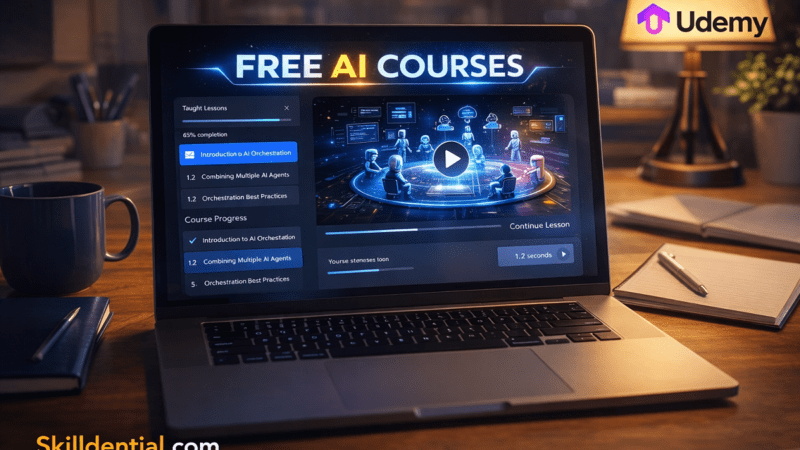
Free Udemy AI courses that matter in 2026 are those that move you from simple prompting into building Retrieval-Augmented Generation (RAG) systems, AI agents, and production-ready orchestration workflows. The most valuable options combine hands-on projects
A laptop GPU is the core infrastructure for local AI development, providing the parallel processing power required for model inference and fine-tuning. In 2026, the landscape is defined by a divergence in architecture: the NVIDIA
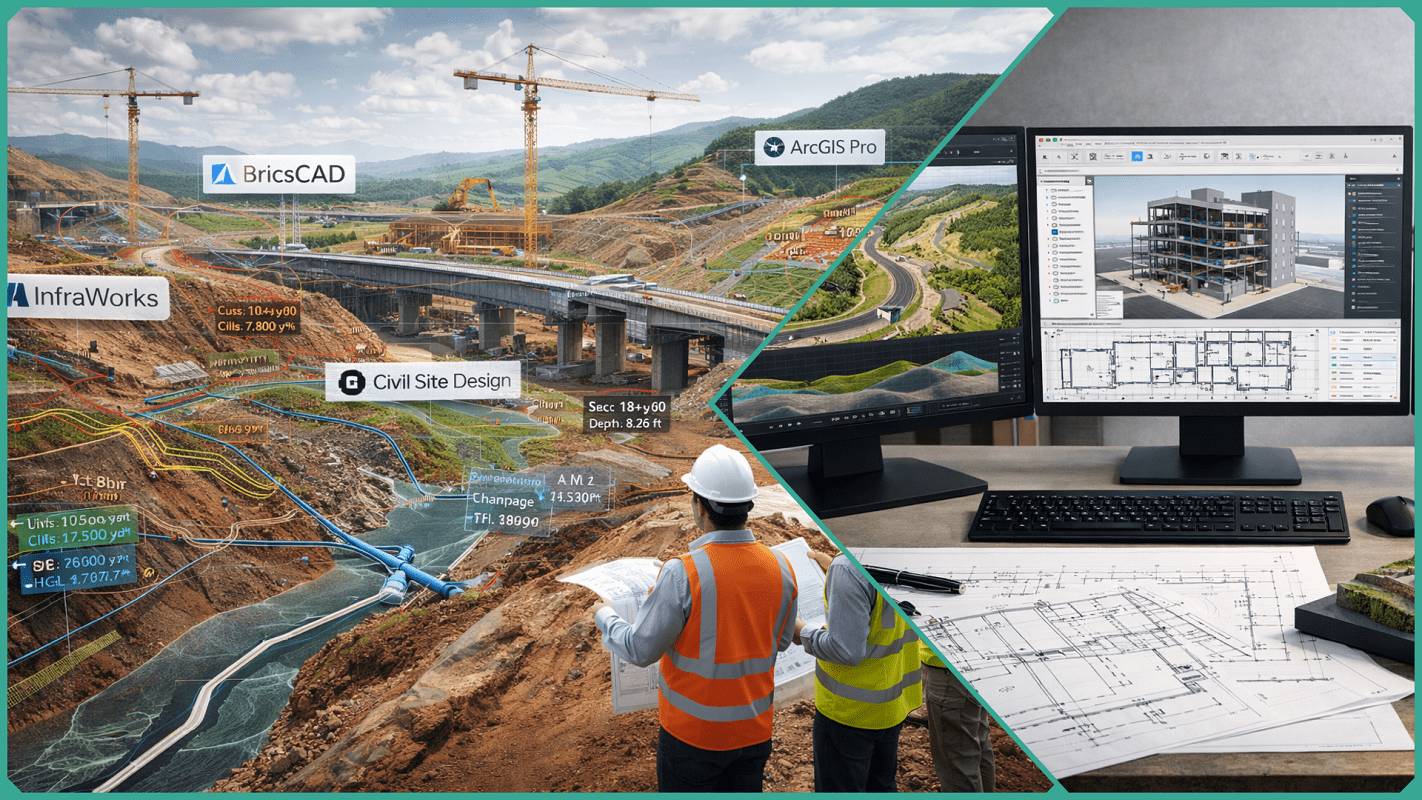
Autodesk Civil 3D is the industry-standard civil engineering design software for creating intelligent 3D models of land, transportation infrastructure, and stormwater systems. It supports complex workflows, including TIN surfaces, corridor modeling, dynamic alignments, and comprehensive
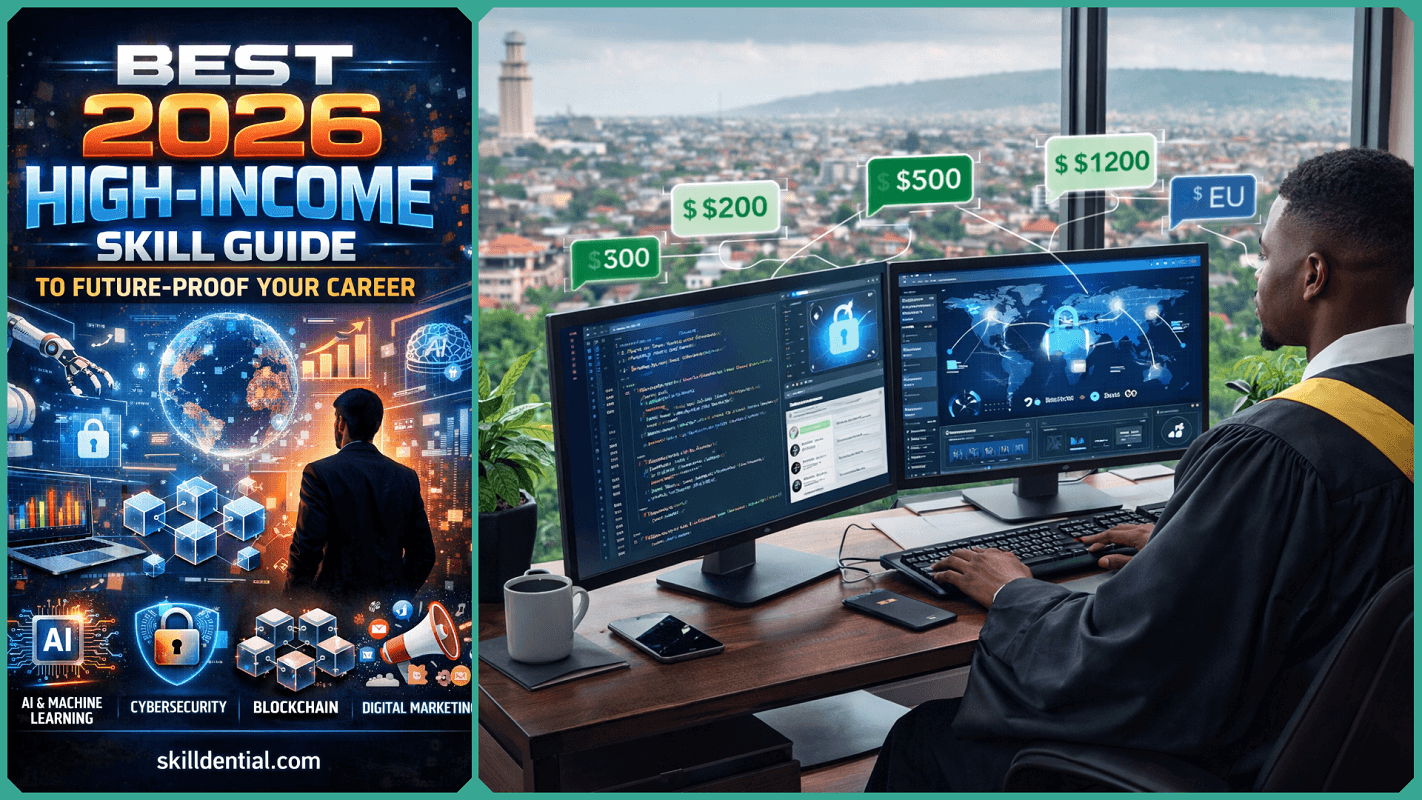
A comprehensive high-income skill guide identifies specialized abilities that command premium pay, often exceeding $100,000 annually in global markets through remote freelancing or full-time roles. Key skills for 2026 include AI engineering, cybersecurity, data analysis,
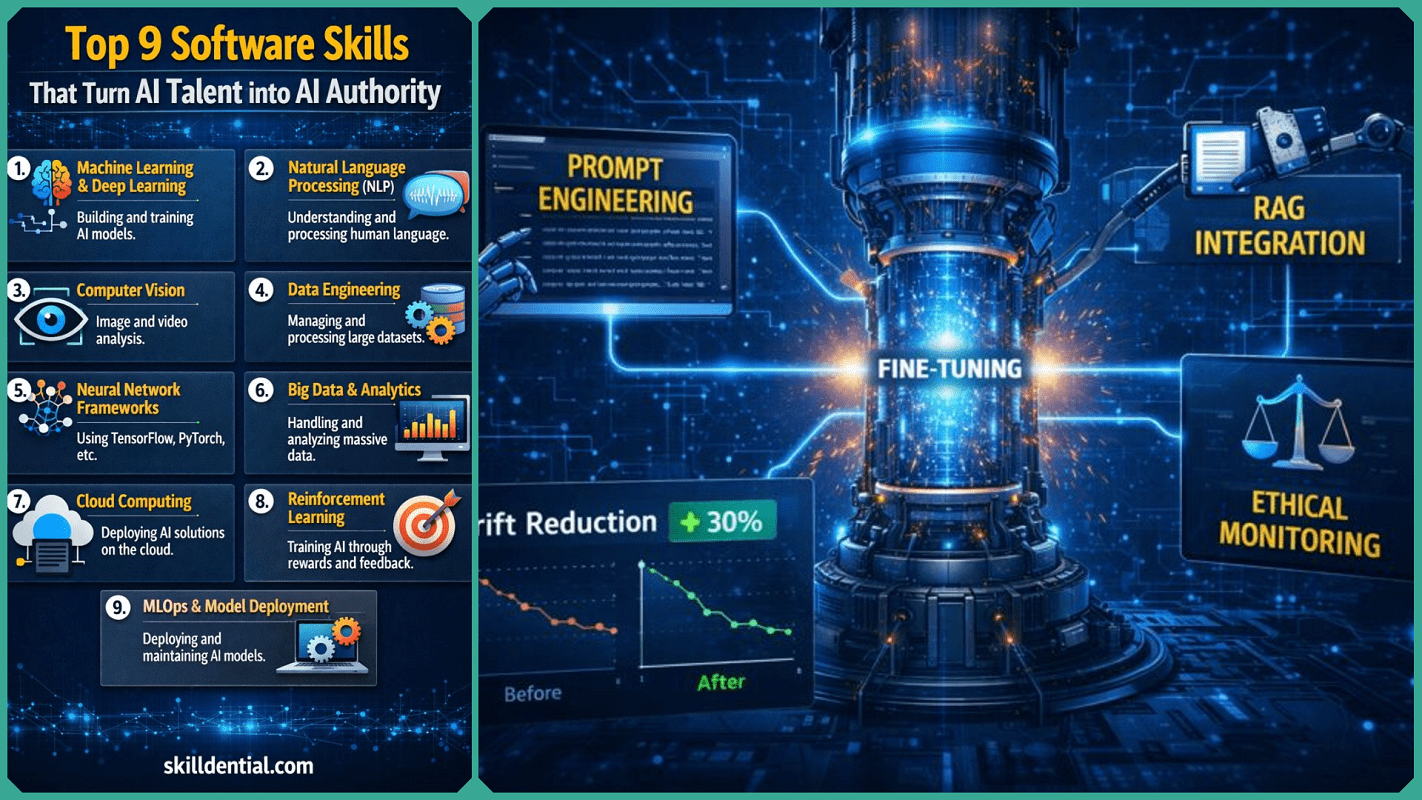
Software skills encompass the programming, system design, and deployment practices essential for building robust AI systems that live beyond the experimental notebook. True authority in this field requires more than just model training; it demands
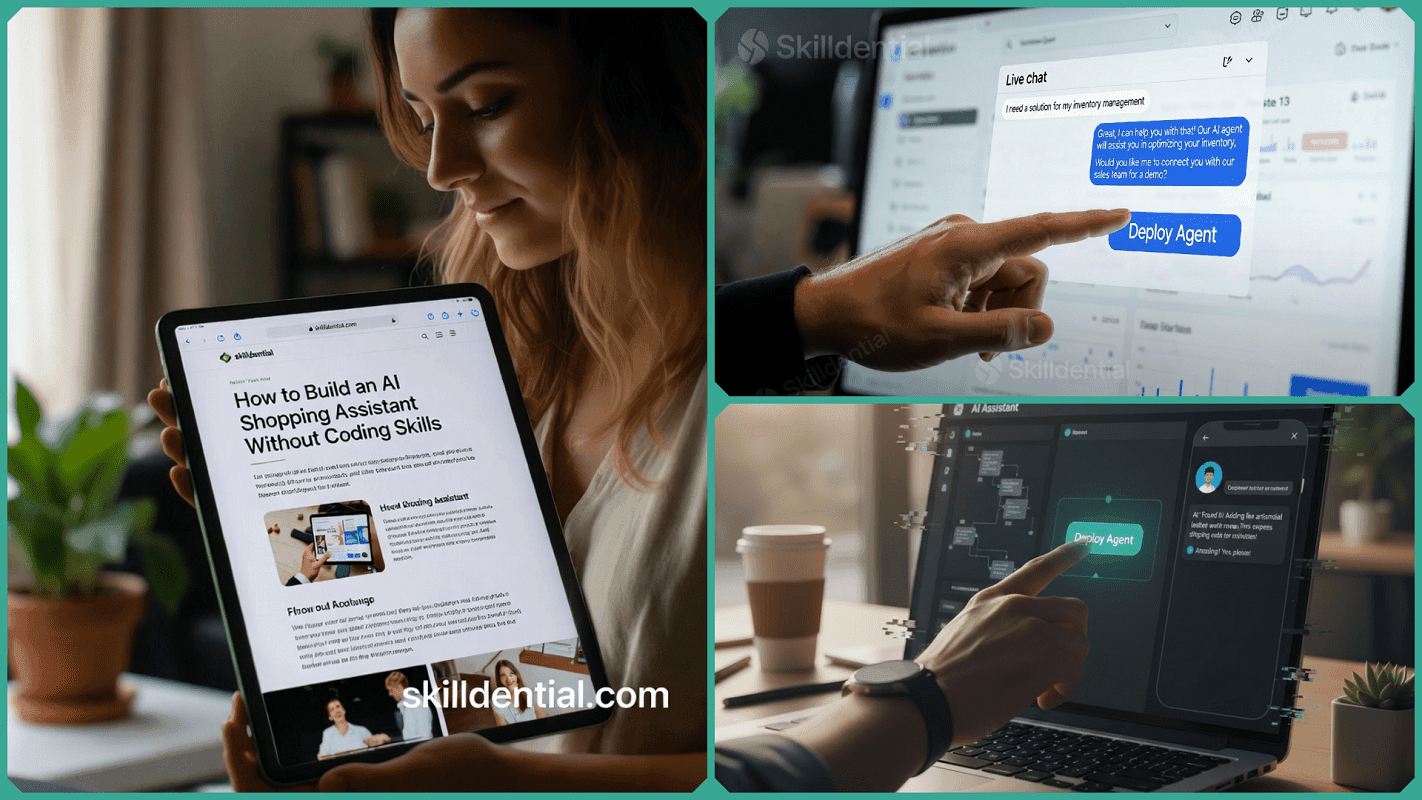
In 2026, the search bar is being replaced by conversation. An AI shopping assistant is an intelligent software agent that helps customers discover products and complete purchases through natural dialogue. By integrating directly with e-commerce