21 Best UGC Video Creators for Influencer Marketing
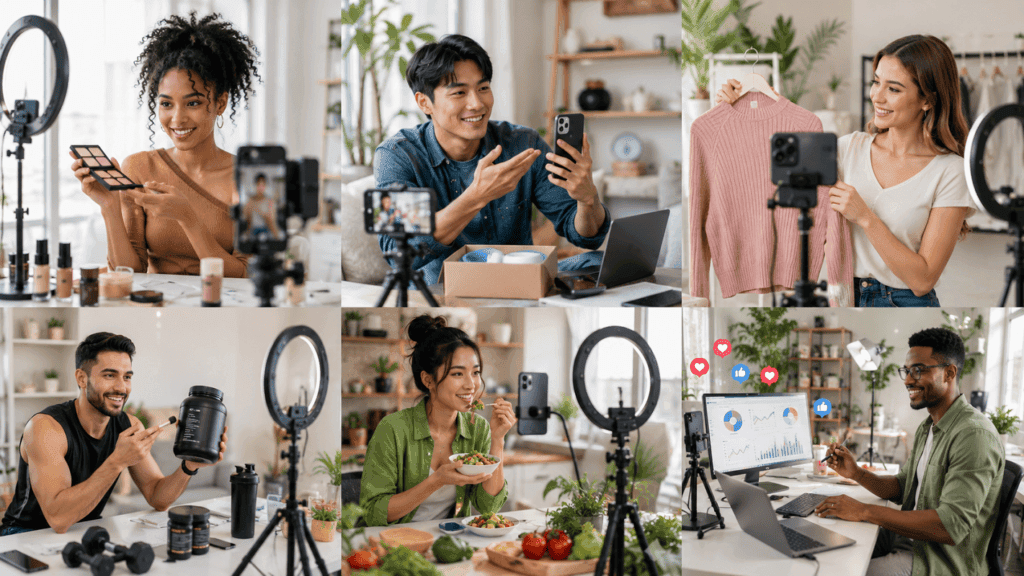
User-generated content (UGC) video creators are social media specialists who produce authentic, short-form content designed for brand licensing across ads, product pages, and social channels. Because creator quality and niche fit vary widely, finding the best UGC video creators for influencer marketing is the single most critical step in building a high-conversion social ad engine. Strong UGC creators do more than just record; they master performance hooks, relatable storytelling, and ad-ready editing while strictly adhering to brand briefs.
Today, UGC has shifted from “nice-to-have” social proof to a core performance channel across TikTok, Instagram Reels, and YouTube Shorts. Brands now rely on these creators to produce hooks, talking-head testimonials, and product demos that feel organic but are mathematically engineered for conversions.
This guide is designed for brand owners, marketing managers, and agencies who need to identify, vet, and hire the best UGC video creators for influencer marketing to fuel campaigns without the overhead of celebrity budgets. You will learn the mechanics of high-performing UGC, how to evaluate talent, and gain access to 21 “archetype” creator profiles that serve as a rigorous benchmark for your selection process.
The article is organized into a foundational strategy, a practical hiring framework, a detailed decision matrix, 21 representative creator profiles mapped to common niches, and a comprehensive buying guide. This structure provides a repeatable system to compare talent, execute high-leverage hiring, and maintain your content infrastructure as you scale.
What is a UGC Video Creator for Influencer Marketing?
A UGC video creator for influencer marketing is a specialized content professional who produces “native-style” creative assets designed for direct response and brand licensing. Unlike traditional influencers who are compensated based on audience size and reach, these creators function as a boutique production studio. Their primary value proposition is the ability to deliver high-converting, ad-ready assets that can be deployed across a brand’s paid social channels (e.g., Spark Ads, Instagram Reels ads, and Meta feeds).
The distinction between a standard creator and a professional UGC creator lies in the objective:
- Production Capability: They act as both talent and creative directors, handling scripting, performance hooks, filming, and post-production editing.
- Performance Engineering: Their focus is on creating content that mimics organic, “scroll-stopping” social media behavior while being technically optimized for conversion metrics.
- Licensing vs. Reach: The business model centers on the sale of usage rights for branded ads rather than the creator’s own follower count or feed engagement.
In the context of influencer marketing, integrating these creators allows brands to bypass the limitations of traditional, high-budget agency commercials. By leveraging creators who understand the nuances of platform-specific trends and algorithmic preferences, brands can generate a high volume of varied, authentic-feeling assets that consistently drive higher engagement and purchase intent than polished, high-production-value advertisements.
Why is UGC So Effective in Influencer Campaigns?
UGC is the bridge between brand promise and consumer trust. In an era where audiences are increasingly skeptical of high-production advertising, UGC functions as “digital word-of-mouth,” providing the social proof necessary to drive action.
The effectiveness of UGC in influencer campaigns stems from three core pillars:
- Algorithmic Performance: Platforms like TikTok and Instagram favor content that keeps users on the app. UGC, with its fast-paced hooks and native aesthetic, is specifically optimized for these platforms. Studies indicate that ads featuring UGC see 4x higher click-through rates (CTR) and 50% lower cost-per-click (CPC) compared to traditional polished display ads.
- The Authenticity Multiplier: Modern consumers apply a “credibility discount” to corporate messaging. Because UGC is perceived as an organic peer-to-peer recommendation, it bypasses this skepticism. Research shows that 80% of consumers trust UGC more than brand-created content, directly translating into a higher likelihood of purchase.
- High-Velocity Creative Testing: Creative fatigue is the primary killer of paid social ROI. By leveraging UGC creators, brands can produce a massive volume of “archetypal” content—varied hooks, testimonials, and demos—at a fraction of the cost of an in-house studio or traditional agency. This allows for constant A/B testing to identify the winning creative angle without depleting the marketing budget.
| Metric | Impact of UGC | Why it Matters |
| Conversion Rate | Up to 10x higher | Direct revenue impact on landing pages/social. |
| Click-Through Rate (CTR) | 4x vs. Standard Ads | Lower acquisition cost (CAC). |
| Engagement Rate | 28–59% Higher | Algorithms prioritize your content over rivals. |
| Production Cost | Significant Savings | Allows for iteration without expensive shoots. |
In short, UGC creators allow brands to move away from “one-hit-wonder” advertisements toward a systematic creative engine. By focusing on repeatable, high-performing video archetypes, brands can sustain relevance, combat ad fatigue, and drive predictable growth.
How Should Brands Evaluate UGC Video Creators?
Evaluating a UGC video creator is not about their popularity; it is about their utility as a performance asset. You are not hiring an influencer to “shout out” your product to their followers; you are hiring a creative partner to generate assets for your paid media engine.
Use this three-tier evaluation framework to filter talent and minimize waste.
Creative Quality (The “Native” Test)
High-performing UGC does not look like a commercial; it looks like a user’s organic feed. Review their portfolio for:
- The 3-Second Hook: Do they capture attention immediately? Analyze if their opening shot, text overlay, or verbal hook is high-energy, curiosity-inducing, or polarizing.
- Platform-Native Pacing: Look for “jumpy” editing, effective use of captions, and pacing that matches the platform (TikTok’s fast-cut style vs. Reels’ lifestyle aesthetic).
- Believability: Does the content feel “acted”? The best creators deliver lines in a way that feels like a genuine recommendation to a friend, not a script read to a camera.
On-Camera Fit (The “Targeting” Test)
Your creator must physically and tonally resonate with your Ideal Customer Profile (ICP).
- Demographic Alignment: Does this person mirror your customer? An audience is more likely to trust a creator who shares their lifestyle, challenges, and environmental context.
- Brand Voice: Does their natural tone (e.g., professional, humorous, empathetic, or “scrappy”) align with how you want your brand perceived?
- Category Context: Does the creator have experience in your niche? A creator who has successfully sold skincare products will inherently understand how to showcase texture, routine, and “before/after” results better than a generalist.
Performance Potential (The “Data” Test)
When vetting, treat their past work as a proxy for your future ROI.
- Proxy Signals: While follower count is irrelevant, look for engagement density. A video with 1,000+ likes is a strong signal that it has been “whitelisted” or used as a high-budget ad.
- Consistency: Can they deliver a consistent stream of content? In performance marketing, a creator who delivers one “viral” hit but fails to follow instructions is less valuable than a creator who delivers 10 “B-grade” but reliable, testable variations.
- Brief Adherence: Can they follow a strict creative brief without losing their authenticity? Use a small, paid test campaign to verify their ability to follow hook, body, and CTA instructions.
Evaluation Checklist: The “Go/No-Go” Decision Matrix
| Criterion | What to Look For | Red Flag |
| Hook Ability | Immediate value/curiosity within 3s. | “Hi, today I’m going to talk about…” |
| Editing Style | Native to the platform (CapCut-style). | Overly polished/Commercial-grade production. |
| Briefing | Ability to hit specific key points/CTAs. | Ignoring the brief, “doing their own thing.” |
| Reliability | Clear communication, meets deadlines. | Slow response times, missed milestones. |
Pro Tip: If a creator cannot provide examples of their work being used in a “Paid” capacity or cannot articulate why their videos perform well (e.g., “I use this hook to solve X problem”), they are likely an “organic creator” and may struggle with the demands of performance marketing.
Where to Find the Best UGC Creators in 2026
Sourcing talent effectively requires matching your volume, budget, and strategic goals to the right channel. In 2026, the landscape has evolved into a clear three-tier system: Marketplaces (for scale), Manual Discovery (for quality/niche fit), and Enterprise Platforms (for governance).
UGC Marketplaces (The “Speed & Volume” Tier)
These platforms are designed for performance marketers who need to test multiple hooks and variations weekly without managing individual creator relationships.
- Billo & Clip: Best for DTC brands needing fast, affordable, “no-frills” content. These are “volume plays”—you submit a brief, and creators deliver the asset within days.
- Trend.io: Operates on a “content pack” model. This is excellent for brands that want predictable pricing and bundled licensing rights without per-project negotiation.
- JoinBrands: Highly popular with Amazon sellers and smaller ecommerce teams for its simple, self-serve interface that combines discovery, product seeding, and content delivery.
Social Discovery & Community (The “Authenticity” Tier)
If your brand requires a specific “vibe” or a creator who truly mimics your customer, automated marketplaces often fail. Manual discovery allows you to find “diamonds in the rough.”
- Native Search: Use TikTok and Instagram’s search bar for tags like
#ugccreator,#ugccontentcreator, or niche-specific tags (e.g.,#skincareugc,#techgadgetreviewer). - The “Tag” Hack: Look at the “Tagged” tab on the profiles of your direct competitors. Creators who are already tagging similar brands have proven they understand the product category and are likely comfortable with the brand-partner workflow.
- Reddit & X: Subreddits like
r/ugccreatorsand X (formerly Twitter) creator communities remain high-signal hubs for finding talent that is active, hungry for work, and communicative.
Enterprise & SaaS Platforms (The “Governance” Tier)
When you move to 20+ creatives per month, you stop needing a marketplace and start needing a Creative CRM.
- Cohley & Grin: These are “enterprise-grade” tools. They handle more than just video sourcing—they manage usage rights, perpetual licensing, influencer whitelisting (Spark Ads), and campaign ROI tracking.
- Skeepers: A leader in 2026 for brands that need to scale micro-influencer initiatives alongside pure UGC. It’s highly effective for brands that prioritize seeding products to get authentic, honest video reviews.
Comparison: Which Channel Should You Use?
| Strategy | Speed | Cost | Control | Best For |
| Marketplace (Billo/Trend) | High | Moderate | Low | Fast testing; filling your ad library. |
| Manual Discovery | Low | Low | High | Niche brands: finding specific brand “faces.” |
| Enterprise SaaS (Grin/Cohley) | Moderate | High | Maximum | Scaling volume; managing complex rights. |
Strategic Recommendation for 2026
Do not rely on a single channel. The “Hybrid System” is the industry standard for high-leverage teams:
- Use Marketplaces for “bread and butter” creative testing (hooks/product demos).
- Use Manual Discovery to find 3–5 “A-list” creators who consistently produce winners, then move them off-platform to direct contracts for better rates and long-term partnership.
- Use SaaS Tools only when the volume of manual coordination (contracts, rights, payments) starts to impede your growth.
Decision Matrix: How to Choose the Right UGC Creator
Selecting the right partner is not about finding the most popular creator, but identifying the most effective performance asset. Because high-performing UGC requires a blend of creative intuition and direct-response discipline, you need a rigorous system to filter talent.
The following matrix provides a weighted framework to help you shortlist, score, and rank creators based on the criteria that matter most to your campaign goals—whether that is maximizing ROAS, lowering acquisition costs, or scaling your creative test volume.
The UGC Creator Selection Matrix
| Criterion | Why It Matters | What “Great” Looks Like | Red Flags to Avoid |
| Niche & Audience Fit | Ensures credibility and high conversion rates. | Creator already posts in/adjacent to your niche; speaks the “language.” | Generic content; creator clearly “pretending” in a new niche. |
| On-Camera Presence | Impacts hook retention and overall ad trust. | Natural, confident, conversational delivery (talking to a friend). | Monotone, robotic, or overly “theatrical” acting. |
| Hook & Scripting | Determines if the viewer stops scrolling. | Multiple examples of high-retention hooks in their portfolio. | Generic intros; lack of clear value proposition in the first 3s. |
| Technical Quality | Affects usability in paid ads (Meta/TikTok). | Clear audio, good lighting, CapCut-native editing/captions. | Grainy footage, echo, or amateurish, inconsistent cuts. |
| Performance Signals | Proxy for “ad-readiness” and resonance. | History of high views; examples of paid usage by other brands. | No content history; no “ad-style” creative experience. |
| Deliverable Flexibility | Critical for A/B testing variations. | Open to re-shoots, script tweaks, and providing multiple hooks. | Only one “polished” version, resistant to feedback. |
| Rights & Usage | Essential for scaling and compliance. | Familiar with Spark Ads/whitelisting; clear contract terms. | Vague on content ownership or restrictive usage limits. |
| Communication | Predicts workflow efficiency. | Proactive status updates; clear, fast communication. | Unreliable response times; missed milestones. |
| Pricing vs. Value | Balances budget with expected ROI. | Transparent, fair rates; modular pricing for add-ons. | “Too good to be true” prices or high fees without data proof. |
How to Use This Matrix for Selection
- Assign Weights: Not all criteria are equal. If you are a performance brand, give Hook & Scripting and Performance Signals a weight of 5 (High Importance), while Pricing might be a 3.
- Score Candidates: Rate each creator on a scale of 1–5 for each criterion.
- Calculate Weighted Scores: Multiply the score by the weight to get a total performance score.
- The “Test” Rule: Never commit to a large contract based on a portfolio alone. Use this matrix to shortlist candidates, then run a small, paid test project to validate these scores in real-time.
Pro Tip: If a creator scores high on On-Camera Presence and Hook Ability but low on Technical Quality, you can often train them or provide better lighting/audio gear—but you cannot train “natural charisma” or “platform intuition.” Prioritize the unteachable traits.
Understanding the 21 UGC Creator Archetypes
To maintain an evergreen content infrastructure, these 21 archetypes are mapped by strategic function rather than static identity. By using these as search and filtering patterns, you can identify talent that solves specific conversion bottlenecks in your marketing funnel.
| Cluster | Archetype Pattern | Strategic Use Case |
| Conversion | The Problem-Solver | Pain-point-first storytelling for cold traffic. |
| The Skeptical Critic | Builds trust via “I was hesitant, but…” narratives. | |
| The Feature-Deep-Diver | Technical breakdown for high-intent buyers. | |
| The “Before & After” Specialist | Visual proof for wellness/home categories. | |
| The ROI Analyst | Value-based persuasion for premium items. | |
| The Comparison Expert | Positioning against generic/competitor alternatives. | |
| Social Proof | The “Unboxing” Aficionado | Sensory-led first impressions. |
| The Relatable Peer | Peer-to-peer recommendation style. | |
| The Daily-User | Integration into “Get Ready With Me” (GRWM) routines. | |
| The Testimonial Storyteller | Emotional connection and lifestyle shifts. | |
| The Community Advocate | Tribal marketing (e.g., “Moms who…”, “Students who…”). | |
| The “Secret-Sharer” | “Gatekeeping” an underrated product/hack. | |
| Educational | The “How-To” Instructor | Lowering friction for complex product utility. |
| The Myth-Buster | Challenging industry misconceptions. | |
| The Industry Insider | Building authority and professional trust. | |
| The Experimenter | “I tried X for 30 days” proof-based content. | |
| The FAQ Responder | Direct objection-handling for lower-funnel leads. | |
| Viral/Native | The Trend Adapter | Integrating brand messages into viral audio. |
| The Aesthetic Visualist | High-fidelity, ASMR-style, or premium “vibe” content. | |
| The High-Energy Host | Retention-focused, rapid-fire pacing. | |
| The “Scrappy” Creator | Authentic, lo-fi, “accidental ad” aesthetic. |
How to Leverage This Archetype System
Search Strategy
Don’t just search for “UGC Creator.” Use the archetype as your query:
- Query:
"[Niche] + [Archetype]"(e.g., “Skincare Before & After Specialist” or “Tech Gadget Myth Buster”). - Platform: Use TikTok and Instagram’s search bar. Look at the “Tagged” tab of competitors—if a creator has worked for a competitor in your niche, they are pre-qualified.
Scaling Your Creative Engine
Do not aim to hire all 21 at once. Build your roster based on the 80/20 Rule of Creative Testing:
- 70% Conversion Engines: Your “core” assets that run in paid ad sets for sustained growth.
- 20% Educational/Authority: Essential for retargeting campaigns to convert high-intent fence-sitters.
- 10% Trend-Jackers: Your “experimental” tier to capitalize on platform trends and algorithmic waves.
Operationalizing with AI
As you scale, use AI-powered UGC tools to enhance these archetypes:
- Scripting: Use AI to turn your brand brief into the specific Archetype format (e.g., “Rewrite this benefit into a Skeptical Critic hook”).
- Editing: Leverage AI tools for subtitle generation, brand-color overlays, and format reframing (e.g., converting 9:16 to 1:1) to ensure the content is “ad-ready” the moment it hits your library.
Next Steps for Your Content Infrastructure
Now that you have the archetypes, the next logical step is to build the Briefing Template. This ensures that regardless of which archetype you hire, they deliver the structural components required for a high-performing ad (Hook, Body, CTA, and Variations).
Product-Style Evaluation Framework for UGC Creators
To professionalize your hiring process, treat every creator like a “creative product” with specific performance specs. This framework allows you to normalize data across 21 different archetypes, making your decision matrix objective and data-driven.
| Framework Field | Metric/Definition |
| Profile Type | The archetype (e.g., Problem-Solver, Aesthetic Visualist) and its primary funnel function. |
| AI Features & Tools | Technical stack used (e.g., CapCut/Premiere, AI-assisted scripting, Descript for audio, or built-in analytics). |
| Key Specifications | Standard deliverables (e.g., 1 main video + 3 hook variations), average length (15–60s), and primary formats (9:16, 4:5). |
| Compatibility | Platform readiness (TikTok Spark Ads, Meta Partnership Ads, Amazon Shoppable Video). |
| “Battery Life” (Capacity) | The creator’s “burst rate”—how many variations/reshoots they can handle per month without creative drift. |
| Best For | Specific brand/campaign goals (e.g., “Best for top-of-funnel awareness” or “Best for retargeting high-intent buyers”). |
| Estimated Price | Industry-standard 2026 range (e.g., $150–$500 per video, depending on experience and licensing tier). |
| Pros / Cons | Strategic trade-offs regarding cost, speed, and audience trust. |
| Verdict | Strategic recommendation: when to scale and what other archetypes to pair them with for maximum ROI. |
Applying the Framework: Sample Archetype Evaluation
Example: The “Skeptical Critic” (Archetype #2)
- Profile Type: Conversion Engine (Objection Handling).
- AI Features: Uses AI for script-polishing to ensure “objection-to-solution” transitions are punchy.
- Key Specs: 30s primary video; includes 2 alternative “hook” variants for A/B testing.
- Compatibility: Highly effective for TikTok Spark Ads; native feel lowers CPA.
- “Battery Life”: Moderate; high-quality scripting takes more time; limited to 4–6 videos/month to maintain “authentic” tone.
- Best For: Products with common misconceptions or high price points where trust is the primary barrier.
- Estimated Price: $300–$600 (includes licensing).
- Pros: Drives high conversion rates; effectively kills ad fatigue.
- Cons: Can come across as “fake” if the creator is a poor actor.
- Verdict: Essential. Pair with a “Relatable Peer” to build initial trust before the “Skeptical Critic” drives the final conversion.
Strategic Guidance for Your Article
To provide the expert-level depth you require, ensure each archetype in your guide follows this structured format. This removes “fluff” and gives your readers (brands and agency owners) a repeatable, scientific method for building their creative pipeline.
Buying Guide: Core Frameworks for Hiring UGC Creators
Before you commit your budget, understand that hiring UGC creators is a shift from “hiring talent” to “building a content engine.” The most successful brands do not treat this as an ad-hoc expense; they treat it as an operational investment.
Who Needs a UGC Engine?
If your business goal is growth, you need to be testing creative volume. UGC creators provide the necessary throughput for:
- DTC & Ecommerce: Scaling TikTok Shop, Meta Ads, and Reels requires a relentless cadence of new hooks and formats to combat creative fatigue.
- SaaS & Tech: Humanizing complex products via “talking-head” testimonials that translate abstract value into concrete results.
- Performance Agencies: Scaling creative testing for multiple clients without the massive overhead of traditional production studios.
- In-House Teams: Even high-end studios benefit by using UGC creators to outsource “diverse faces and locations,” allowing the internal team to focus on high-level strategy and high-fidelity brand assets.
When to Avoid (or De-prioritize) UGC
UGC is a powerful lever, but it is not a “cure-all.” Avoid building an extensive UGC pipeline if:
- Strict Regulatory/Legal Sensitivity: If your industry requires stringent legal review (e.g., medical, complex financial services, or highly regulated industries), the “authentic” nature of UGC can introduce liability if creators deviate from approved messaging.
- Rigid Visual Identity: If your brand requires highly specific lighting, art direction, or high-end cinematography that an iPhone-wielding creator cannot replicate, you are better off keeping production centralized. Note: You can still use UGC for supplemental social proof, but it should not be your primary creative vehicle.
Strategic Buying Hierarchy
If you are just beginning to build your hiring pipeline, follow this progression to minimize risk and maximize leverage:
| Phase | Strategy | Objective |
| Phase 1: Validation | Use marketplaces (Billo, JoinBrands). | Test 3–5 creators to identify which “Archetypes” resonate with your audience. |
| Phase 2: Optimization | Direct Outreach/Manual Discovery. | Move your “winners” from Phase 1 to long-term contracts. |
| Phase 3: Scaling | Creative CRM / SaaS Tools. | Manage rights, whitelisting, and volume once you reach 20+ assets per month. |
The “Evergreen” Hiring Framework
When buying these services, structure your contracts around Deliverables rather than Reach.
- Usage Rights: Never settle for a one-time “social post.” Always secure rights for paid social usage (Meta/TikTok/YouTube) for at least 6–12 months.
- Modular Assets: Require creators to deliver the “Hook,” “Body,” and “CTA” as separate video files. This allows your team to remix content for different ad sets without needing a reshoot.
- Iterative Clauses: Include provisions for minor edits based on performance feedback. If an ad fails, the ability to pivot the hook without a full re-shoot is the difference between a wasted budget and a successful campaign.
Budget Considerations and Pricing Patterns
In the UGC ecosystem, price is decoupled from follower count. Because you are buying creative assets (content that acts as an ad) rather than influence (distribution to their feed), you are essentially paying for a service fee that covers time, production, and intellectual property.
Common Pricing Models
As a performance-focused brand, prioritize models that align with your testing cadence:
- Flat Fee per Deliverable: The standard model. You pay a set price for a defined video package (e.g., $200–$500 per video). Pro Tip: Always negotiate for the raw files and 2–3 hook variations included in that flat fee.
- The “Bundle” Strategy: Instead of buying single videos, buy in packs of 3, 5, or 10. This creates economies of scale for the creator and forces you to think in terms of “creative testing” rather than one-off posts.
- Performance-Linked Retainers: A base fee (for production time) plus a performance bonus. This is high-leverage but requires a solid attribution setup (e.g., tracking pixel on landing pages or specific promo codes) to ensure fairness.
The Cost of “Rights”
The biggest cost driver is not the production, but the Usage Rights. When budgeting, clarify the following in every contract:
- Channel: Organic social only vs. Paid Social Ads (Meta/TikTok/YouTube).
- Duration: Standard industry practice is 3, 6, or 12 months. Avoid “perpetual” rights if you are just starting, as these command a massive premium.
- Exclusivity: If you want a creator to not work for your competitors, be prepared to pay a 2x–5x premium on their base rate.
Indicative Budget Framework (2026 Standards)
| Deliverable Level | Complexity | Price Range (Indicative) |
| Micro-UGC | Simple product demo, minimal editing. | $100 – $250 |
| Standard Ad-Ready | Edited, scripted, hook-driven, 3 hooks. | $250 – $600 |
| High-End Archetype | Complex production, high-value niche/expert. | $600 – $1,500+ |
Strategic Budgeting Advice
- Start Small, Scale Fast: Use the “70/20/10” rule for your creative budget. Spend 70% on proven creative types, 20% on testing new archetypes, and 10% on “moonshots” (experimental formats).
- The “Reshoot” Buffer: Always set aside 10% of your total budget specifically for reshoots or minor edits. In performance marketing, a “failed” video is often just a “hook issue”—having the budget to pivot the hook can salvage the entire asset.
- Avoid “Over-Buying”: Do not sign 6-month retainers with creators you haven’t tested in a live ad campaign. Use a one-month trial period (the “Pilot Phase”) to verify their output speed, communication, and adherence to your brief.
Information gain: Practical hiring workflow (checklist)
Below is a practical, step‑by‑step workflow synthesized from UGC and performance marketing guides so readers can take action.
- Clarify campaign objective. Decide whether you want assets for organic posting, paid ads, or both, and define the primary KPI (for example, add‑to‑cart, leads, installs).
- Define your ideal creator profile. Use the 21 archetypes and the selection matrix to narrow by niche, demographics, tone, and creative style.
- Source a long list of creators. Use TikTok search, TikTok Shop affiliate center, Instagram Reels, and UGC platforms like Twine, Billo, and others to gather candidates.
- Score candidates using the matrix. Evaluate each creator on hooks, editing quality, on‑camera presence, niche fit, and reliability signals.
- Run a paid test with 3–10 creators. Commission 1–3 videos per creator, test them as ads with consistent budgets, and log performance (CTR, hold rate, CPA, ROAS).
- Identify top‑performing angles and creators. Flag the videos and creators that consistently win, then increase volume and budget with them while testing new variants.
- Standardize contracts and creative briefs. Use contracts that clearly define content ownership, usage rights, whitelisting, Spark Ads permissions, and confidentiality.
- Build long‑term relationships. For top performers, transition from one‑off gigs to ongoing retainers or regular deliverable packages, which improves consistency and planning.
This workflow operationalizes UGC hiring into a repeatable system rather than one‑off experiments.
High-Level Creator–Brand Fit Overview
To optimize your creative spend, use this reference table to align your business needs with the appropriate creator archetype. Note: Budget levels are indicative of 2026 market standards; expect variance based on creator experience, usage rights duration, and deliverable complexity (e.g., raw footage vs. fully edited assets).
| ID | Archetype | Best For | Platforms | Typical Budget |
| 1 | TikTok Problem-Solution | DTC Performance Ads | TikTok, Reels | Medium |
| 2 | Reels Lifestyle Reviewer | Beauty/Skincare | Instagram, TikTok | Medium–High |
| 3 | Home & Kitchen Demo | Home/Gadgets | TikTok, Reels | Medium |
| 4 | Tech/Gadget Explainer | Consumer Electronics | YouTube, TikTok | Medium–High |
| 5 | Fitness/Wellness Routine | Fitness/Supplements | TikTok, Reels | Medium |
| 6 | Parenting/Baby User | Family Brands | Instagram, TikTok | Medium–High |
| 7 | Food/Bev Taste-Tester | Snacks/QSR | TikTok, Reels | Low–Medium |
| 8 | Budget Fashion Try-on | Fast Fashion | TikTok, Reels | Medium |
| 9 | Luxury Lifestyle | Premium Brands | Instagram, TikTok | High |
| 10 | B2B SaaS Explainer | SaaS/Professional | LinkedIn, TikTok | Medium |
| 11 | EdTech Explainer | Learning Apps | TikTok, Reels | Medium |
| 12 | Travel/POV Vlogger | Travel/Local | TikTok, Reels | Medium–High |
| 13 | Finance/Productivity | Fintech/SaaS | TikTok, YouTube | Medium |
| 14 | Gaming/Entertainment | Apps/Games | TikTok, Shorts | Medium |
| 15 | Health/Supplement Review | Wellness | TikTok, Reels | Medium–High |
| 16 | Eco-Friendly Advocate | Sustainability | TikTok, YouTube | Medium |
| 17 | Pet Care User | Pet Products | TikTok, Reels | Medium |
| 18 | Multilingual Global | Global Ecommerce | TikTok, Reels | Medium–High |
| 19 | Creator-Editor Hybrid | Agencies/DTC | TikTok, Reels | Medium–High |
| 20 | Analytics Specialist | Performance at Scale | TikTok, YouTube | High |
| 21 | Couple/Family Ensemble | Home/Lifestyle | TikTok, Instagram | Medium–High |
Strategic Pricing Intelligence (2026 Benchmarks)
- Standardization: The market has coalesced around a “Tiered” system (Beginner: $50–$150, Intermediate: $150–$350, Pro: $350–$500+).
- The Usage Multiplier: Rates are for creation services. Adding Paid Social Usage rights typically triggers a 30–50% premium, while Whitelisting (Spark Ads) access can add 30–100% to the base fee per month.
- Volume Discounting: Retainer models are the most efficient way to scale. Committing to a volume of 4–12 videos/month typically secures a 15–30% discount compared to per-video spot pricing.
- Performance Variable: As of 2026, brands are increasingly shifting toward Performance-Linked Retainers, where a lower base fee is supplemented by bonuses tied to ROAS or CPA targets.
Implementation Tip: Use this table as a “search filter” rather than a rigid price list. If your campaign requires high-intent conversion, filter for Conversion Engines (Archetypes 1, 3, 5) and prioritize their “Performance Signals” in your decision matrix before finalizing your budget.
Archetype Profiles: The Performance Framework
To find the best UGC video creators for influencer marketing, brands must move beyond surface-level metrics like follower count. Instead, view these 21 archetypes as “creative assets” with specific functional roles.
This framework allows you to evaluate talent as you would a piece of hardware or software: focusing on compatibility, reliability, and output capacity.
TikTok Native “Problem-Solution” Storyteller
This creator archetype is the bedrock of modern performance marketing. They specialize in 15–45-second, high-velocity videos that open with a sharp, relatable “pain point” and transition instantly to your product as the logical solution. They are widely considered among the best UGC video creators for influencer marketing when your primary goal is driving immediate clicks and conversions through paid social channels.
- Profile Type (Device Type): TikTok-first, short-form creator.
- AI Features: Uses AI script-assistants for rapid hook ideation, trend-tracking tools to identify high-volume pain points, and AI-assisted editing for precise jump cuts and pacing.
- Key Specifications: 9:16 vertical orientation; 15–45 seconds; delivers 3–6 hook variations per concept; maintains a casual, “FaceTime-style” rapport with the viewer.
- Compatibility: Optimized for TikTok In-Feed, Spark Ads, Instagram Reels, and YouTube Shorts.
- “Battery Life” (Capacity): 10–30 videos/month. Their process is streamlined, allowing for high volume without sacrificing the “native” aesthetic.
- Best For: DTC brands, ecommerce stores, and mobile apps requiring a high volume of scalable ad creatives.
- Pros: Naturally native style ensures low “ad friction”; hooks are engineered to match TikTok’s algorithmic preference for instant gratification.
- Cons: Can sometimes “over-fit” to TikTok culture, potentially feeling too informal for highly premium or strictly formal brand identities.
- Estimated Price Range: Mid-tier; usually available as individual spot purchases or via package bundles on dedicated UGC platforms.
- Privacy Considerations: Requires clear product briefs and, occasionally, specific performance data; ensure NDAs are in place when sharing internal campaign dashboards.
- Alternatives: Analytics-driven testing specialists (Archetype 20) or Creator-Editor hybrids (Archetype 19).
- Verdict: Essential. This is the first archetype you should hire. Choose this profile when your main goal is scaling paid performance, and you need to test multiple “problem-solution” hooks rapidly to lower your CPA.
Instagram Reels Lifestyle Reviewer (Beauty & Skincare)
This creator archetype is the gold standard for brands where visual equity is a core competitive advantage. They specialize in building aspirational yet approachable Reels that integrate products into authentic daily routines. They are widely recognized as some of the best UGC video creators for influencer marketing in the beauty, skincare, and personal care sectors, where the “aesthetic” of the result is as important as the claim itself.
- Profile Type: Lifestyle & Beauty Reels specialist.
- AI Features: Uses AI-powered skin-smoothing filters, high-fidelity color grading presets, and automated captioning tools to ensure a premium look that adheres to strict beauty-industry aesthetic standards.
- Key Specifications: 15–60-second Reels; blends talking-head explanation with high-quality B-roll; incorporates trending audio with polished transitions.
- Compatibility: Native-fit for Instagram Reels, cross-platform TikTok, and YouTube Shorts.
- “Battery Life” (Capacity): 8–20 high-quality videos/month. Because they prioritize “aesthetic” over “raw,” their production process is more intentional than the TikTok storyteller archetype.
- Best For: Beauty, skincare, haircare, and self-care brands targeting Instagram-centric demographics.
- Pros: Stronger visual storytelling and higher perceived production quality; excellent for “30-day test” campaigns that require visual credibility.
- Cons: Can be slower to produce and carries a higher price point; the “aspirational” style may occasionally lack the “scrappy” feel required for some direct-response ad sets.
- Estimated Price Range: Premium tier; higher than generic UGC creators due to the specialized production quality and visual demand of the beauty niche.
- Privacy Considerations: Essential to provide clear guidelines on cosmetic claims and regulatory compliance (e.g., FDA/FTC standards for skincare results).
- Alternatives: Health & Wellness Reviewer (Archetype 15) for a more science-backed approach; TikTok Storyteller (Archetype 1) for raw, performance-heavy testing.
- Verdict: Strategic. Choose this archetype when your brand identity and aesthetic are as critical to the sale as the direct-response offer. Pair with “Problem-Solver” creators to ensure your ad library covers both “aspiration” and “solution-based” consumer needs.
DTC Home & Kitchen Demo Specialist
This creator archetype is the workhorse for ecommerce brands that need to visually prove their product’s utility. They excel at clear, benefit-driven demonstrations of home, kitchen, and organizational tools. By utilizing simple, well-lit home setups and authoritative, step-by-step narration, they bridge the gap between “scrolling” and “buying,” making them some of the best UGC video creators for influencer marketing when your goal is to reduce customer friction through clear, tangible value.
- Profile Type: Practical demo & utility-focused UGC creator.
- AI Features: Uses AI tools for speed-ramping (to emphasize key features), automated captioning for silent viewing, and rapid cut-downs to optimize assets for various placements (e.g., cropping to 1:1 for product galleries).
- Key Specifications: 20–60 second demos; utilizes a mix of overhead “top-down” angles and eye-level POV shots; focuses on clarity, usability, and measurable outcomes.
- Compatibility: Highly effective for TikTok, Instagram Reels, Amazon Shoppable Video, and Shopify Product Detail Pages (PDPs).
- “Battery Life” (Capacity): 10–25 demos/month. Because their process is highly structured and repeatable, they can maintain consistent quality at high volumes.
- Best For: Home goods, kitchen gadgets, cleaning supplies, and organization tools where the “how-it-works” is the primary selling point.
- Pros: Assets are inherently evergreen and highly repurposable; directly address “is this easy to use?” buying objections.
- Cons: Can be less personality-driven; may lack the high-octane “hype” of a lifestyle or influencer-style creator.
- Estimated Price Range: Mid-range; often billed per “bundle” of demo videos or per-product SKU, making it easy to forecast your content budget.
- Privacy Considerations: Minimal compared to testimonial creators, but ensure they follow brand-safety guidelines regarding the handling of chemical or electrical products.
- Alternatives: Creator–Editor hybrids (Archetype 19) for more stylistic variation; Travel POV vloggers (Archetype 12) for home products with an “outdoor” or “on-the-go” use case.
- Verdict: High-ROI. Choose this archetype when you need evergreen demonstration assets that you can rely on for both paid ads and on-page conversion. They are the foundation of a trust-building content engine.
Tech & Gadgets Explainer UGC Creator
This creator archetype is essential for products that have a “learning curve.” They specialize in breaking down complex tech, accessories, and mobile apps into simple, visually clear walkthroughs. By combining screen-recording with high-energy facecam explanations, they are arguably the best UGC video creators for influencer marketing when your objective is to move prospects from the “consideration” phase to the “purchase” phase by eliminating technical uncertainty.
- Profile Type: Tech explainer & product reviewer.
- AI Features: Leverages AI screen-recording annotation tools for emphasis, voice enhancement software for studio-quality audio, and AI script assistants to ensure technical accuracy and concise pacing.
- Key Specifications: 30–90 seconds; utilizes a mix of screen recordings and facecam “explainer” shots; includes feature-by-feature walk-throughs and side-by-side comparisons.
- Compatibility: YouTube Shorts, TikTok, Instagram Reels, and website-embeddable product education assets.
- “Battery Life” (Capacity): 8–20 videos/month. The prep time required for technical accuracy means they operate at a slightly lower volume than generalist demo specialists.
- Best For: Consumer electronics, mobile apps, hardware accessories, and SaaS products with visual interfaces that need to be demonstrated.
- Pros: Significantly reduces buyer uncertainty and return rates; builds high trust with tech-savvy audiences.
- Cons: Requires more upfront “briefing” prep; content carries a risk of becoming outdated if your product releases frequent feature updates.
- Estimated Price Range: Medium–High; reflects the specialized knowledge and additional setup time required compared to generalist UGC.
- Privacy Considerations: Often requires access to pre-release software or products; always utilize robust NDAs when sharing unreleased features or technical specs.
- Alternatives: B2B SaaS explainer (Archetype 10) for more professional/corporate tones; Analytics-driven specialist (Archetype 20) for heavily performance-driven tech brands.
- Verdict: High-Utility. Use this archetype when your tech needs a clear explanation more than “hype.” Their work is versatile, functioning equally well in paid ads and long-term product education modules on your website.
Fitness and Wellness Routine Demonstrator
This creator archetype is the engine for the active lifestyle sector. They specialize in showcasing workout snippets, recovery habits, and wellness routines that seamlessly integrate your products into a “lived” experience. They are consistently ranked among the best UGC video creators for influencer marketing in the health and fitness space because they provide the necessary visual proof that a product—whether it’s a supplement or an app—actually facilitates a better lifestyle.
- Profile Type: Fitness & wellness UGC specialist.
- AI Features: Uses AI-powered beat-sync editors for high-energy transitions, motion-smoothing tools for fast-paced movement, and pre-built caption templates that emphasize key health stats or workout metrics.
- Key Specifications: 15–60 seconds; blends gym/home workout B-roll with “day-in-the-life” narration; focuses on result-first hooks that emphasize physical transformation or mood improvement.
- Compatibility: Highly optimized for TikTok, Instagram Reels, and YouTube Shorts.
- “Battery Life” (Capacity): 10–25 clips/month. Their content production is often part of their natural training rhythm, allowing for high-volume delivery.
- Best For: Fitness apps, supplement brands, activewear, and wellness tech (e.g., smartwatches, recovery tools).
- Pros: Strong alignment with high-conversion “result-driven” ad formats; naturally fits the visual language of the fitness vertical.
- Cons: Requires strict adherence to regulatory compliance; you must ensure creators don’t make unsubstantiated medical claims.
- Estimated Price Range: Medium–High; pricing fluctuates based on the creator’s physique, niche authority, and the production effort required for studio/gym lighting.
- Privacy Considerations: Health claims must be vetted against your brand’s regulatory standards; provide a “do’s and don’ts” list for fitness marketing compliance.
- Alternatives: Health & Wellness Reviewer (Archetype 15) for a more evidence-based focus; Finance & Productivity Creator (Archetype 13) for brands targeting the “self-improvement” lifestyle rather than pure physical fitness.
- Verdict: Essential. Choose this archetype when you need energetic, results-oriented content that makes the viewer feel like they are “missing out” on a healthier, more optimized life.
Parenting & Baby Products Everyday User
This creator archetype is the cornerstone of trust-based marketing for family-oriented brands. They are parents who showcase baby and kid-focused products in realistic, everyday scenarios, focusing on the “safety-first” and “convenience” angles that matter most to parents. They are widely viewed as some of the best UGC video creators for influencer marketing when your goal is to build long-term brand credibility rather than just a quick conversion.
- Profile Type: Parenting & Family lifestyle UGC specialist.
- AI Features: Uses light AI editing for color correction and cleaning up background noise, automated captioning to ensure accessibility for busy parents watching on mute, and AI-assisted content scheduling to maintain a consistent presence.
- Key Specifications: 20–60 seconds; filmed in a realistic home environment; blends authentic voiceover with candid, on-camera commentary; emphasizes product safety, ease of cleaning, and time-saving features.
- Compatibility: Instagram, TikTok, and Pinterest video.
- “Battery Life” (Capacity): 8–20 videos/month. Production is often slower because it involves integrating products into real family routines, which can be unpredictable.
- Best For: Baby gear (strollers, carriers), family-friendly home products, and educational kids’ services.
- Pros: Extremely high perceived authenticity; parents trust peer-to-peer recommendations in this high-stakes, trust-sensitive niche more than any other.
- Cons: Content can be more expensive and slower to produce; filming children and family dynamics requires more patience and planning than solo UGC.
- Estimated Price Range: Medium–High; reflects the high level of trust, sensitivity, and effort required to produce family-safe content.
- Privacy Considerations: Critical. Always ensure strict adherence to child privacy and consent standards. Avoid identifying details (like school names or house numbers) and confirm that content complies with both platform safety guidelines and state/national child-influencer regulations.
- Alternatives: Creator couple/family ensemble (Archetype 21) for multi-persona storytelling and broader lifestyle reach.
- Verdict: High-Trust. Use this archetype when your core audience is parents. Their day-in-the-life style stories are the ultimate social proof for baby and family brands.
Food, Snacks, and Beverage Taste-Tester
This creator archetype is the “secret weapon” for high-velocity food and beverage brands. They specialize in authentic reactions, rapid taste tests, and creative recipe hacks that turn your product into a sensory experience. They are consistently among the best UGC video creators for influencer marketing when your goal is to trigger impulse purchases or maintain “top-of-mind” awareness through high-frequency, snackable creative.
- Profile Type: Food & beverage sensory specialist.
- AI Features: Uses AI recipe caption generators for quick text-overlay specs, video beat-syncing to match transitions to viral audio, and color-grading presets that make your product packaging and ingredients pop.
- Key Specifications: 10–45 seconds; strong emphasis on authentic “first reaction” shots; utilizes ASMR, high-energy quick cuts, and POV overhead “cooking-in-motion” shots.
- Compatibility: Highly optimized for TikTok, Instagram Reels, and YouTube Shorts.
- “Battery Life” (Capacity): 15–30 clips/month. Their process is streamlined, focusing on volume and viral experimentation rather than high-production polish.
- Best For: Snacks, beverages, quick-prep foods, and QSR (Quick Service Restaurant) marketing.
- Pros: Content is inherently “snackable” and highly shareable; allows brands to test multiple SKUs and flavor profiles in a single month at a low marginal cost.
- Cons: Content can have a shorter shelf-life; trends and audio-driven formats change rapidly, requiring the creator to be constantly “in the loop.”
- Estimated Price Range: Low–Medium; typically billed per video or per batch of shorts, making this a cost-effective archetype for startups.
- Privacy Considerations: Ensure the creator adheres to basic food safety/handling guidelines in their kitchen and clearly includes necessary sponsorship disclosures (e.g., #ad or #sponsored) as required by local advertising standards.
- Alternatives: Travel & Experience POV Vloggers (Archetype 12) for food-and-travel crossover campaigns.
- Verdict: High-Velocity. Use this archetype when you want frequent, fun, and energetic creative assets that keep your brand appearing fresh and “trendy” without the heavy production costs of a formal studio shoot.
Budget Fashion Try-On and Styling Creator
This creator archetype is the engine behind “haul” culture and trend-responsive apparel marketing. They specialize in high-energy try-on hauls, styling tips, and mix-and-match tutorials that turn affordable pieces into must-have items. They are recognized as some of the best UGC video creators for influencer marketing when your brand’s competitive edge is built on variety, price point, and the ability to react instantly to the latest fashion trends.
- Profile Type: Fashion haul and styling specialist.
- AI Features: Uses AI outfit-caption generators (to organize lookbooks), pre-built editing templates for seamless “snap-transition” effects, and AI-powered trend-audio recommendations.
- Key Specifications: 20–60 seconds; features multiple outfit changes; filmed primarily via mirror-selfies or tripod-mounted self-shots; emphasizes creative transitions.
- Compatibility: Highly optimized for TikTok, Instagram Reels, and YouTube Shorts.
- “Battery Life” (Capacity): 10–25 videos/month. Because the format is highly procedural (try-on, spin, next look), they can maintain high output volume.
- Best For: Fast fashion, affordable accessories, and high-volume DTC apparel brands.
- Pros: Facilitates high-volume creative testing; aligns perfectly with the fast-paced, trend-heavy culture of TikTok and Instagram fashion communities.
- Cons: Content is inherently trend-dependent; what is a “viral look” today may feel outdated in a few weeks, requiring constant refreshing of assets.
- Estimated Price Range: Medium; typically structured as a “per-look” or “per-haul” bundle fee, making it accessible for startups to test multiple product SKUs at once.
- Privacy Considerations: Ensure clear and prominent sponsorship disclosures (e.g., #ad) to maintain compliance with truth-in-advertising standards.
- Alternatives: Luxury Lifestyle UGC Creator (Archetype 9) for premium/elevated apparel brands that prioritize “prestige” over “affordability.”
- Verdict: High-Scale. Choose this archetype when you want to dominate the feed with variety and need a constant stream of “new look” assets that keep your brand appearing current and budget-accessible.
Luxury & Aspirational Lifestyle UGC Creator
This creator archetype is the pinnacle of “Elevated UGC.” They master the delicate balance between high-end cinematic aesthetics and the approachable, authentic storytelling required for social platforms. They are widely considered the best UGC video creators for influencer marketing when your brand’s value is built on prestige, quality, and the “dream” lifestyle, rather than pure impulse-purchase discounts.
- Profile Type: Luxury lifestyle & cinematic UGC specialist.
- AI Features: Leverages AI-driven color grading, cinematic LUTs (Look-Up Tables) to match high-end brand palettes, and advanced editing suites to ensure every frame reflects premium brand quality.
- Key Specifications: 30–90 seconds; relies on polished B-roll, clean voiceover audio, and a deliberate, elevated visual aesthetic.
- Compatibility: Highly optimized for Instagram, TikTok (for “vibe” marketing), brand landing pages, and premium ad campaigns.
- “Battery Life” (Capacity): 6–15 videos/month. The slower, cinematic pacing requires significantly more planning and production time than fast-paced “scrappy” UGC.
- Best For: Premium fashion, boutique hotels, high-ticket consumer products, and luxury goods where the “vibe” is the product.
- Pros: Perfectly aligns your brand with luxury positioning while maintaining the “peer-to-peer” authenticity that traditional commercials lack.
- Cons: Higher investment cost per asset; less suited for high-frequency, rapid-iteration A/B testing compared to other archetypes.
- Estimated Price Range: High; reflects the creator’s specialized expertise in cinematography, lighting, and premium visual brand storytelling.
- Privacy Considerations: Brand safety is paramount. Ensure strict adherence to your visual brand guidelines, tone of voice, and high-standard production requirements.
- Alternatives: Travel POV Vloggers (Archetype 12) for experiential luxury; Creator–Editor Hybrids (Archetype 19) for those needing more flexibility in content formats.
- Verdict: Strategic & Selective. Use this archetype when protecting your brand image is critical and you are prepared to invest in a smaller volume of “higher-impact” assets that will live on your site and social feeds for a longer duration.
B2B SaaS “Talking-Head” Explainer
This creator archetype is the professional backbone of B2B digital marketing. They specialize in high-signal, concise talking-head videos that translate abstract software features into tangible business outcomes. By expertly blending face-to-camera authority with seamless screen-record cutaways, they are among the best UGC video creators for influencer marketing when your goal is to humanize complex tools and move prospects through the funnel via educational value.
- Profile Type: B2B SaaS & professional services explainer.
- AI Features: Uses AI teleprompter apps to maintain perfect pacing during script delivery, AI script assistants for value-prop refinement, and auto-captioning tools to ensure clarity during silent viewing.
- Key Specifications: 30–90 seconds; features a clear call-to-action (CTA) and benefit-led copy; utilizes split-screen layouts to showcase product UI alongside the explainer.
- Compatibility: LinkedIn, TikTok, Instagram Reels, and direct website landing pages.
- “Battery Life” (Capacity): 8–20 explainers/month. Production is methodical, requiring alignment on script-logic and product-flow before filming.
- Best For: SaaS platforms, B2B productivity tools, and complex professional services.
- Pros: Exceptional for cold-traffic education; these assets are “multi-functional,” proving equally effective in paid ads, email drip campaigns, and sales enablement collateral.
- Cons: These videos may feel less “viral” than lifestyle content; their success depends entirely on your ability to clearly define your Ideal Customer Profile (ICP).
- Estimated Price Range: Medium–High; pricing reflects the time investment required to understand your product and script for technical clarity.
- Privacy Considerations: Sensitive B2B data is a risk—always ensure creators use scrubbed demo accounts or “fake data” interfaces during recording to protect brand and client privacy.
- Alternatives: Tech & Gadget Explainer (Archetype 4) for more consumer-facing tech; Analytics-Driven Specialist (Archetype 20) for heavily performance-optimized tech brands.
- Verdict: Essential for ROI. Choose this archetype when your sales funnel needs explanation, trust, and proof more than pure entertainment. They turn “confusion” into “conviction.”
Educational App & EdTech Explainer
This creator archetype is the secret to demystifying complex learning platforms. They specialize in distilling educational apps, online courses, and digital tools into quick, bite-sized “micro-lessons” and social proof snippets. They are among the best UGC video creators for influencer marketing when your product’s primary barrier is “how do I actually use this to get smarter?” and you need to demonstrate tangible progress in seconds.
- Profile Type: EdTech & Learning UGC specialist.
- AI Features: Uses AI script assistants to break complex curriculum into “micro-lesson” scripts, automated captioning to highlight key vocabulary, and AI auto-cutting tools to remove “dead air” between lessons.
- Key Specifications: 20–60 seconds; features “study hack” style walkthroughs; focuses on app-navigation speed, progress-tracking, and “aha!” moments of learning.
- Compatibility: Highly optimized for TikTok, Instagram Reels, YouTube Shorts, and landing pages for course enrollment.
- “Battery Life” (Capacity): 10–25 videos/month. Because the format is often iterative (e.g., “Day 1 of learning Spanish”), they can maintain high output volume.
- Best For: Language learning apps, professional development courses, and gamified education platforms.
- Pros: Directly reinforces the value of your education platform; reduces user skepticism by showing the app’s interface in action.
- Cons: Must be carefully briefed to avoid “over-promising”—you want to show the tool’s effectiveness without implying unrealistic, overnight learning outcomes.
- Estimated Price Range: Medium; often structured as long-term collaborations to capture the “learning journey” of a student/user over weeks or months.
- Privacy Considerations: If featuring actual students or user-generated examples within the app, ensure you have explicit data protection consent and that any personal user info is obscured.
- Alternatives: Finance & Productivity Creator (Archetype 13) for brands that want to position their learning tool within a broader “self-improvement” or “lifestyle” framework.
- Verdict: Essential for Conversion. Use this archetype when your core growth lever is “seeing is believing.” Their ability to make “study” look engaging and accessible is your strongest tool against churn.
Travel & Local Experiences POV Vlogger
This creator archetype is the premier choice for brands rooted in physical environments. They capture immersive, “Point of View” (POV) content that transports the viewer directly into a travel destination or local experience. By weaving product utility into genuine storytelling—like how your travel accessories survive a flight or how your app finds the best local coffee—they are the best UGC video creators for influencer marketing when your brand thrives on “experience-based” social proof.
- Profile Type: Travel & experiential UGC vlogger.
- AI Features: Uses AI-powered stabilization to correct handheld footage, cinematic color-grading presets to unify the look across changing lighting, and AI auto-cut tools to condense long walks into high-impact highlight reels.
- Key Specifications: 15–60 seconds; features immersive POV walking shots, smooth transitions between locations, and helpful, “insider-tip” style voiceovers.
- Compatibility: Highly optimized for TikTok, Instagram Reels, and YouTube Shorts.
- “Battery Life” (Capacity): 8–20 experiences/month. Output is dictated by their travel schedule; this archetype requires more advanced planning than stationary creators.
- Best For: Hospitality brands, travel apps, local attractions, luggage/travel accessory companies, and outdoor-focused gear.
- Pros: Delivers exceptionally high visual impact; aligns perfectly with the “aspirational” nature of travel content, making products feel essential for the next adventure.
- Cons: Higher logistical complexity; scheduling depends on location access, and travel costs/expenses often need to be factored into the project budget.
- Estimated Price Range: Medium–High; usually involves a base creation fee plus travel/accommodation expenses if on-site presence is required.
- Privacy Considerations: Always verify local shooting rules for attractions or private hospitality venues; ensure you have explicit location permissions for all content captured.
- Alternatives: Luxury Lifestyle Creator (Archetype 9) if the travel brand is highly premium and requires a more polished, “cinematic” look.
- Verdict: High-Engagement. Choose this archetype when your product is tied to location, hospitality, or outdoor adventure. They don’t just sell a product—they sell the context in which your product is most useful.
Finance & Productivity “Tips” Creator
This creator archetype is the go-to for brands that sell “improvement.” They specialize in distilling dense topics—like budgeting, investment, or daily workflow optimization—into highly digestible, 20–45-second “hacks.” They are widely considered the best UGC video creators for influencer marketing when your goal is to integrate your product into a user’s daily habits, transforming your tool into a fundamental part of their personal or professional success.
- Profile Type: Personal finance & productivity lifestyle creator.
- AI Features: Uses AI script-outlining to ensure complex tips stay within the 45-second retention sweet spot, advanced on-screen captioning for dense data visualization, and retention analytics to track where viewers drop off during “info-dense” sequences.
- Key Specifications: 20–45 seconds; utilizes listicle-style hooks (e.g., “3 ways to save X time/money”); blends face-to-camera advice with screen-record cutaways demonstrating your app in action.
- Compatibility: Highly optimized for TikTok, Instagram Reels, and YouTube Shorts.
- “Battery Life” (Capacity): 10–25 tips/month. Their content is highly modular and repeatable, making them one of the most scalable archetypes for rapid-fire testing.
- Best For: Fintech apps, budgeting services, task-management tools, and educational productivity software.
- Pros: Delivers exceptionally high “perceived value” to the viewer; easy to iterate on multiple benefit-driven angles (e.g., “time saving” vs. “stress reduction”).
- Cons: Content in the finance space is subject to strict regulatory constraints; you must ensure creators include necessary disclaimers and do not make “get rich quick” promises.
- Estimated Price Range: Medium–High; pricing reflects the creator’s specific niche expertise and the added time required to ensure all content is factually accurate and compliant.
- Privacy Considerations: Critical. Ensure all content complies with financial promotion rules (e.g., clear risk disclaimers, proper usage of terms). Work closely with your legal team to provide pre-approved “safe language” scripts.
- Alternatives: B2B SaaS Explainer (Archetype 10) for more professional/corporate-targeted productivity tools.
- Verdict: High-Adoption. Choose this archetype when your growth depends on education and habit-building. They don’t just sell an app; they sell a “smarter” version of the user.
Gaming & Entertainment Micro-Reviewer
This creator archetype is essential for mobile-first acquisition. They specialize in high-energy reactions, “no-context” gameplay snippets, and concise micro-reviews that cut through the noise of the app stores. They are consistently among the best UGC video creators for influencer marketing when your goal is to trigger immediate downloads or sign-ups by showing the “fun factor” of your entertainment product in under 45 seconds.
- Profile Type: Gaming & app entertainment specialist.
- AI Features: Uses AI-powered stream-clipping to identify the most “hype” gameplay moments, automatic highlight detection, and high-energy auto-captioning to keep retention high.
- Key Specifications: 15–45 seconds; features a dynamic mix of gameplay screen-recordings and “facecam” reaction shots; relies on authentic excitement rather than polished script-reading.
- Compatibility: Highly optimized for TikTok, YouTube Shorts, and Instagram Reels.
- “Battery Life” (Capacity): 15–30 clips/month. Their process is built for speed and volume, allowing them to rapidly iterate on different game levels or app features.
- Best For: Mobile games, streaming/entertainment apps, and specialized gaming accessories (controllers, headsets).
- Pros: Facilitates a high volume of testable creatives; perfect for identifying which gameplay “hooks” drive the lowest Cost Per Install (CPI).
- Cons: Audience is highly niche; you must ensure the creator’s typical gaming style aligns perfectly with your game’s genre (e.g., don’t hire an RPG creator for a puzzle game).
- Estimated Price Range: Medium; typically structured as “per-bundle” or “per-clip” pricing, making it easy to scale.
- Privacy Considerations: Ensure the creator has the necessary licenses for gameplay footage and that all sponsored content follows platform disclosure rules (e.g., #ad).
- Alternatives: Tech Explainer (Archetype 4) for hardware-focused gaming products; Problem-Solution Storyteller (Archetype 1) for app-based entertainment.
- Verdict: High-Volume. Choose this archetype when you want meme-ready, reaction-driven assets that highlight the entertainment value of your product and drive high-velocity acquisition.
Health Supplements & Wellness Reviewer
This creator archetype serves as the “trust anchor” for brands in the supplement and wellness space. They specialize in high-authenticity testimonials and “result-oriented” narratives, showing exactly how a product fits into a daily health regimen. They are considered the best UGC video creators for influencer marketing when your goal is to build long-term credibility, provided you pair them with a rigid compliance framework to ensure their testimonials remain grounded and defensible.
- Profile Type: Wellness testimonial & lifestyle specialist.
- AI Features: Uses AI-powered captioning to highlight key results, “long-to-short” editing tools to pull viral snippets from longer testimonials, and content scheduling to ensure a steady cadence of “social proof” hits.
- Key Specifications: 20–60 seconds; focuses on “30-day result” stories; balances personal transformation with necessary product disclaimers.
- Compatibility: Highly optimized for TikTok, Instagram Reels, and YouTube Shorts.
- “Battery Life” (Capacity): 8–20 videos/month. Because the narrative is deeply personal and results-based, production requires more time for reflection and “journey-tracking.”
- Best For: Dietary supplements, wellness brands, and health-monitoring gadgets.
- Pros: Delivers incredibly powerful social proof that is hard to manufacture; effectively converts “skeptical” prospects who need to see real people getting real results.
- Cons: Subject to heavy platform scrutiny; “unsubstantiated claims” can lead to ad account bans, requiring careful management.
- Estimated Price Range: Medium–High, reflecting the high stakes and the creator’s ability to maintain “authentic” authority in a regulated space.
- Privacy Considerations: Strict compliance required. You must provide medical/health claim disclaimers and ensure the creator understands the “no unsubstantiated claims” rule. Never permit creators to imply a product “cures” or “prevents” a disease unless that is explicitly verified by your legal counsel.
- Alternatives: Fitness Routine Demonstrator (Archetype 5) for brands that prioritize physical activity over passive supplement use.
- Verdict: High-Impact (Use with Caution). Choose this archetype when you need authentic testimonials, but only if you have the legal guardrails in place to protect your brand from over-promising on health results.
Eco-Friendly & Sustainable Product Advocate
This creator archetype is the voice of the “conscious consumer.” They specialize in narratives that move beyond simple aesthetics, focusing on the environmental impact, ethical sourcing, and sustainable lifestyle benefits of your product. They are among the best UGC video creators for influencer marketing when your brand’s differentiator is its environmental footprint, as they possess the “niche authority” needed to convert skeptical, mission-driven audiences.
- Profile Type: Sustainability & Ethical-Lifestyle UGC specialist.
- AI Features: Uses AI captioning to highlight sustainability metrics (e.g., carbon savings, plastic-free status), basic editing for clarity, and sustainability-themed content templates that lean into earthy or minimalist aesthetics.
- Key Specifications: 20–60 seconds; uses “Problem-Impact-Solution” storylines—identifying a wasteful habit, explaining the environmental cost, and offering your product as the ethical alternative.
- Compatibility: Highly optimized for TikTok, Instagram Reels, and YouTube (especially long-form sustainability deep-dives).
- “Battery Life” (Capacity): 8–20 videos/month. Their process requires more research-based scripting to ensure the sustainability claims are credible.
- Best For: Zero-waste brands, eco-friendly home goods, sustainable fashion labels, and ethical food products.
- Pros: Exceptional niche authority; builds high-level trust with consumers who prioritize values over pure convenience or price.
- Cons: Content must be factually bulletproof; you must ensure their claims are accurate, verifiable, and free from “greenwashing.”
- Estimated Price Range: Medium; reflects the specialist knowledge required to communicate complex sustainability benefits effectively.
- Privacy Considerations: Documentation required. All ESG (Environmental, Social, and Governance) or sourcing claims must be honest, documented, and approved by your marketing/legal team to avoid accusations of greenwashing.
- Alternatives: Travel & Experience POV Vloggers (Archetype 12) for campaigns focused on eco-tourism or nature-positive experiences.
- Verdict: Strategic Differentiator. Choose this archetype when sustainability is a core pillar of your brand. They translate “mission statements” into relatable, daily-use content that validates your brand’s integrity.
Pet & Pet-Care UGC Creator
This creator archetype leverages the most powerful currency in social media: emotional engagement. By featuring pets interacting naturally with your products, you move the needle from “logical purchase” to “emotional must-have.” They are consistently among the best UGC video creators for influencer marketing when your brand thrives on cuteness, shareability, and the relatable bond between owners and their pets.
- Profile Type: Pet-care lifestyle & entertainment specialist.
- AI Features: Uses pet-focused editing templates (to optimize for quick pacing), auto-captioning to transcribe funny “inner monologues” for pets, and beat-syncing to match cute actions to trending audio.
- Key Specifications: 10–45 seconds; typically utilizes a mix of owner voiceover or “text-on-screen” jokes; focuses on fun, joy, and the immediate utility of the pet product.
- Compatibility: Highly optimized for TikTok, Instagram Reels, and YouTube Shorts.
- “Battery Life” (Capacity): 10–25 videos/month. Production speed depends on the pet’s “cooperation,” but once a workflow is established, it can scale volume rapidly.
- Best For: Pet food/treats, toys, specialized grooming accessories, and pet-friendly home products.
- Pros: Exceptionally high shareability; the “cute factor” naturally increases organic reach and lowers your overall cost-per-acquisition (CPA).
- Cons: Content can be unpredictable—pets have their own agendas; you need creators who are experienced in managing pet comfort and safety during shoots.
- Estimated Price Range: Medium; reflects the specialized coordination required to shoot with animals.
- Privacy Considerations: Animal Welfare. Always ensure the creator follows best practices for animal safety and that the product usage is appropriate for pets. Never pressure an animal to perform an uncomfortable task for the sake of a “shot.”
- Alternatives: Creator Family/Couple Ensemble (Archetype 21) if you want to feature a broader “family” dynamic alongside the pet.
- Verdict: High-Engagement. Choose this archetype when you want your ads to feel like entertainment. They are the ideal choice for brands that want to bypass “ad fatigue” by putting a furry, charismatic face at the center of the narrative.
Multilingual Global-Market UGC Creator
This creator archetype is the operational cornerstone for brands scaling beyond their domestic borders. By producing content in two or more languages, they provide a unified “face” for your global marketing while enabling region-specific messaging. They are among the best UGC video creators for influencer marketing when you need to maintain brand consistency while simultaneously navigating the cultural nuances of diverse geographic markets.
- Profile Type: Multilingual & cross-cultural UGC specialist.
- AI Features: Uses AI-assisted translation for script drafting, multi-language captioning tools for localized engagement, and regional content scheduling software to ensure posting times align with target market time zones.
- Key Specifications: 20–60 seconds; typically produces separate, native-fluency takes per language or authentic dubbed voiceovers; focuses on cultural resonance rather than literal translation.
- Compatibility: Highly optimized for TikTok, Instagram Reels, and YouTube Shorts across global markets.
- “Battery Life” (Capacity): 8–20 multi-language videos/month. Coordination effort is significantly higher than that of single-language creators due to the need for cultural adaptation of the creative brief.
- Best For: Cross-border ecommerce, global SaaS, mobile gaming, and international apps.
- Pros: Highly efficient way to test messaging across borders without needing to source a different “face” for every single country; builds trust by speaking the user’s native tongue.
- Cons: Higher coordination burden; you must ensure scripts are culturally adapted—not just translated—to avoid falling flat in local markets.
- Estimated Price Range: Medium–High; reflects the specialized bilingual or multilingual capability of the creator.
- Privacy Considerations: Essential to ensure compliance with distinct advertising regulations (e.g., GDPR in Europe, local FTC equivalents elsewhere) and disclosure standards unique to each country of operation.
- Alternatives: Creator–Editor Hybrid (Archetype 19) paired with local voiceover/localization talent for a more scalable, albeit slightly more complex, production workflow.
- Verdict: Strategic Multiplier. Choose this archetype when you need one “anchor creator” to represent your brand across multiple countries, ensuring your global campaign feels cohesive rather than fragmented.
UGC Creator–Editor Hybrid (Batch Ad Variants)
This archetype is the ultimate solution for “Creative Fatigue.” By combining on-camera charisma with expert-level editing, they don’t just deliver a raw video—they deliver a full-scale testing library. They are widely recognized as the best UGC video creators for influencer marketing when your primary bottleneck is the need for rapid creative iteration, allowing you to test dozens of ad variants without managing a separate production team.
- Profile Type: Creator-Editor Hybrid & Performance Specialist.
- AI Features: Leverages advanced AI editing suites to automate jump cuts, music syncing, and caption-overlay generation; uses AI auto-clip generation to create native-looking variants for different platform specs (9:16 vs. 4:5); utilizes analytics feedback loops to iterate on top-performing hooks.
- Key Specifications: Bundles of 5–20 “ad-ready” variations per concept; strictly tailored to specific platform requirements (TikTok vs. Meta Ads specs); emphasizes rapid-fire testing of hooks and CTAs.
- Compatibility: Highly optimized for TikTok, Instagram Reels, YouTube Shorts, and Meta (Facebook/Instagram) feed placements.
- “Battery Life” (Capacity): High output, 20–60 ad variants/month. Their efficiency stems from structured template-based workflows.
- Best For: Performance-first DTC brands and agencies that require high creative volume to keep their ad accounts profitable.
- Pros: The gold standard for creative testing; allows you to combat “creative fatigue” by rotating hooks and call-to-actions daily.
- Cons: Higher price point per project compared to a single-video creator; because the process is highly optimized, the creative style can sometimes feel slightly “templated.”
- Estimated Price Range: Medium–High (Bundle-based); usually billed as a per-project or per-campaign engagement to reflect the volume of finished assets.
- Privacy Considerations: High-level involvement; because they often require access to performance dashboards to optimize their edits, ensure strict NDAs are in place regarding your proprietary audience and conversion data.
- Alternatives: Analytics-Driven Testing Specialist (Archetype 20) if your focus is more on the data-backed strategy than the volume of raw edits.
- Verdict: Essential for Performance. Choose this archetype when your main bottleneck is volume, variants, and fatigue. They turn one successful idea into ten high-converting ad assets in hours, not days.
Creator with Integrated Analytics & Testing Workflows
This creator archetype is the “Growth Partner” of the UGC world. They do not just produce content; they function as a quasi-creative strategist. By integrating directly with your performance marketing team and utilizing real-time ad data, they treat every video as a data point to be optimized. They are widely considered the best UGC video creators for influencer marketing when your brand is at a scale where creative iteration is the primary driver of ROAS (Return on Ad Spend).
- Profile Type: Analytics-driven performance specialist.
- AI Features: Uses AI-assisted reporting to map creative elements to KPI performance, predictive hook testing based on historical platform data, and customized creative-performance dashboards.
- Key Specifications: Delivers both high-volume content and detailed insight reports focusing on hook retention, click-through rate (CTR) benchmarks, and conversion lift.
- Compatibility: Fully agnostic; optimized for cross-platform performance (TikTok, Meta, YouTube, etc.).
- “Battery Life” (Capacity): 15–40 variants/month, supplemented by formal performance review meetings.
- Best For: Mature brands and heavy spenders on paid media who need data-informed, iterative creative to maintain profitability at scale.
- Pros: Perfectly aligns with the “high-tempo testing” methodologies required to scale winning ads; eliminates guesswork from your creative roadmap.
- Cons: Carries a higher retainer cost; requires a collaborative environment where internal data is shared openly with the creator.
- Estimated Price Range: High; typically retainer-based to secure the creator’s time for both production and strategic analysis.
- Privacy Considerations: Formal Agreements Required. Because they require deep visibility into your performance data (CAC, LTV, conversion paths), robust NDAs and data-processing agreements are mandatory.
- Alternatives: Creator–Editor Hybrid (Archetype 19) paired with an internal performance analyst for a more “in-house” approach.
- Verdict: Strategic Asset. Choose this archetype when you want a “creative strategist” in creator form. Do not just look for content; look for someone who understands that creative is the new targeting.
Creator Couple / Family Ensemble
This archetype leverages the power of dynamic interaction to create narrative-driven content. Unlike solo creators, the “ensemble” model utilizes conversations, skits, and differing perspectives to demonstrate how a product fits into the multifaceted life of a household. They are arguably the best UGC video creators for influencer marketing when your product is a “shared utility” that impacts multiple members of a home, such as cleaning supplies, meal kits, or home technology.
- Profile Type: Collaborative, multi-persona storytelling specialist.
- AI Features: Uses AI-assisted storyboarding to map out complex skit sequences, basic editing to balance multiple audio tracks (voices), and auto-captioning to clarify dialogue-heavy skits.
- Key Specifications: 20–60 seconds; centers on skits, relatable “he-said-she-said” conversations, and POV household dynamics; focuses on showing how the product solves conflicts or improves joint experiences.
- Compatibility: Highly optimized for TikTok, Instagram Reels, and YouTube Shorts.
- “Battery Life” (Capacity): 8–20 “episodes”/month. Coordination complexity is high, as it requires scheduling multiple individuals for every shoot.
- Best For: Family-oriented services, home improvement tools, kitchenware, and smart-home products.
- Pros: Allows for rich, narrative-based storytelling that feels like a “show”; inherently higher retention because of the changing visual dynamics and chemistry between participants.
- Cons: Higher logistical and financial cost per project; requires more script preparation than solo creators to ensure the banter remains natural and on-brand.
- Estimated Price Range: Medium–High; usually involves a higher base fee to account for the time and coordination of multiple people.
- Privacy Considerations: Critical. Always ensure explicit consent from all family members, especially children. Protect the anonymity of the home (no identifying street numbers or school uniforms) and ensure the content aligns with child-influencer regulations.
- Alternatives: Parenting & Baby Products Everyday User (Archetype 6) if the focus is strictly on the caregiver perspective rather than the entire household’s dynamic.
- Verdict: High-Relatability. Choose this archetype when your brand story is better served by a dialogue than a monologue. They excel at normalizing products in the chaos of daily life.
Buying guide: Who should hire which archetype?
This buying guide establishes the strategic framework for integrating the 21 UGC archetypes into your content infrastructure. By shifting from a “cost-per-video” mindset to a “Return on Creative” (ROC) model, you can effectively scale your content production while maintaining brand integrity.
Strategic Alignment: Who Should Hire Which Archetype?
Match your business model and category to the corresponding high-performance archetypes to ensure the best fit for your conversion goals:
| Business Category | Recommended Archetypes |
| DTC & Ecommerce | 1, 3, 5, 7, 8, 15, 17, 19, 20 |
| Beauty & Wellness | 2, 5, 9, 15 |
| SaaS, Fintech, B2B | 4, 10, 11, 13, 18, 20 |
| Travel & Lifestyle | 9, 12, 16, 21 |
Strategic Thresholds: When to De-prioritize UGC
Not every brand is ready for the “native” aesthetic. Avoid or de-prioritize UGC if:
- Compliance Rigidity: Your legal department cannot accommodate the agile, slightly imperfect nature of UGC, or you lack the resources to enforce strict compliance/review stages in highly regulated industries (e.g., medical/high-stakes finance).
- Creative Control Bias: If your brand requires perfect, polished, high-gloss production values that leave no room for the raw, “native” feel that platforms like TikTok require to maximize engagement and lower CPMs.
Financial Philosophy: Return on Creative (ROC)
Stop hunting for the lowest per-video price. The market average ranges from $50–$250+ per asset, but this is a vanity metric.
- Volume Over Price: Prioritize platforms and creators that allow for high-volume creative testing.
- Scaling Winners: The financial goal is to identify your “winning” creative hooks and scale spend behind them, rather than saving a few dollars on the production of a non-performing asset.
Selection Criteria: The “Essential vs. Nice-to-Have” Filter
Essential (The Baseline)
- Platform-Native Fluency: Creators must understand the nuances of the platform (e.g., TikTok vs. LinkedIn).
- Hook Mastery: Demonstrated ability to capture attention in the first 3 seconds.
- Contractual Integrity: Explicit rights for usage, whitelisting/Spark Ads, and content duration.
- Reliability: Consistent, professional communication and delivery schedules.
Nice-to-Have (The Scale Multipliers)
- Performance Analytics: Creators who bring their own testing frameworks (Archetypes 19 & 20).
- Global Adaptability: Native multilingual capability (Archetype 18).
- Production Flexibility: Ability to incorporate other actors/family members or shoot in diverse locations.
Risk Management & Long-Term Integration
- Privacy & Compliance: For high-stakes verticals (Finance, Health, Children), implement mandatory pre-approved script libraries, medical/legal disclaimers, and rigorous review gates. Use NDAs whenever granting access to back-end dashboards.
- Ecosystem Integration: Select creators who demonstrate deep expertise in your specific ad-buying tools. Native-looking assets often perform at 2x–3x the level of traditional polished creative on platforms like TikTok.
- The 6–12 Month Horizon: Do not view UGC as a one-off project. Plan for long-term collaboration windows to combat “creative fatigue” through continuous refreshes, keeping your brand appearing current and authentic.
Common Mistakes Brands Make When Hiring UGC Creators
Beyond the basics, the most successful brands avoid these five critical pitfalls that typically waste budget and stifle growth.
The “Follower Count” Fallacy
Many brands mistakenly equate a creator’s audience size with the performance of a paid ad.
- The Reality: In UGC-for-ads, the creator’s follower count is a vanity metric. You are paying for production skill, storytelling ability, and technical proficiency, not their existing distribution. A creator with 500 followers who understands hooks and editing often outperforms a 100k-follower influencer who treats your product like a billboard.
The “Hero Video” Trap
Brands often commission one “perfect”, high-budget, highly-scripted hero video.
- The Reality: Performance marketing is a game of probability. You need volume. Instead of one $1,000 video, brief a creator to deliver 5–10 lower-cost, modular variations of a concept. Testing different hooks, body copy, and CTAs simultaneously is how you identify winners.
Vague Briefs & Ambiguous Rights
Generic briefs like “make it feel authentic” lead to generic, unusable content.
- The Reality: Creators need a clear Problem-Impact-Solution framework. Furthermore, failing to lock down usage rights in perpetuity at the start of a contract is a major strategic failure. If you don’t own the rights to repurpose, mashup, or edit the content, you are limiting your ability to scale winning assets when they finally start to convert.
Failing to Measure Creative KPIs
Brands often jump straight to ROAS (Return on Ad Spend) and ignore the creative diagnostic data that explains why an ad is succeeding or failing.
- The Reality: You must track:
- Hook/Thumbstop Rate: (3-second view rate) Did the first 3 seconds stop the scroll?
- Hold Rate: (15-second view rate) Did they keep watching after the hook?
- CTR (Click-Through Rate): Did the creative generate enough interest to drive an action?
- If your hook rate is below 25%, you have a creative problem, not a media-buying problem.
Treating UGC as a “Fix-All”
Some brands believe that the right UGC can save a broken funnel.
- The Reality: UGC is a creative supercharger. It can lower your CPMs and increase your CTR, but it cannot fix fundamental issues like poor landing page load times, uncompetitive pricing, or a confusing checkout process. If the unit economics of your offer are broken, no amount of authentic UGC will make the campaign profitable.
Pro-Tip: The “Creative Brief” Checklist
To avoid these mistakes, ensure every brief you send includes:
- The Objective: Are we driving Awareness (hook/engagement) or Conversion (problem/solution/CTA)?
- The Hook: A clear instruction on the “pattern interrupt” for the first 3 seconds.
- The Constraints: Keep it to 30–45 seconds for mobile optimization.
- The “Must-Haves”: Keep branding minimal, text overlays platform-native, and audio clear.
- Usage Rights: Explicit confirmation of perpetual usage across all paid/organic channels.
What defines a UGC video creator?
A UGC creator produces social-native assets designed to mimic organic, peer-to-peer content. Unlike traditional influencers, the primary value is the asset itself, not the creator’s follower count. These assets are optimized for brand-owned accounts and paid ad distribution.
UGC creator vs. traditional influencer: What is the key distinction?
Influencer: You pay primarily for distribution/access to their specific audience.
UGC Creator: You pay primarily for production efficiency and the ability to deploy “authentic” creative assets into your own paid media channels.
Where are the best sources for sourcing talent?
Direct Sourcing: Use TikTok/Instagram search to find creators who already exhibit your brand’s aesthetic.
Specialized Marketplaces: Platforms like Billo or Trend are effective for lower-barrier, high-volume needs.
Professional Networks: For high-end or niche-specific talent, LinkedIn and specialized creator agencies provide higher-quality vetting.
How should I approach budgeting and pricing?
Avoid “per-video” sticker shock. Pricing typically scales based on usage rights, complexity, and specialized production features (e.g., analytics reporting, multi-language). View your budget through the lens of Return on Creative (ROC) rather than cost-per-asset.
Which KPIs determine if my UGC campaign is successful?
Do not rely on vanity metrics. Focus on the funnel:
Hook Rate: (3s View Rate) To evaluate the effectiveness of your pattern interrupt.
Hold Rate: (15s View Rate) To measure the strength of your narrative flow.
CTR/ROAS: The definitive metrics for conversion-focused campaigns.
Can UGC work in highly regulated niches (Finance, Health, EdTech)?
Yes, but you must operate under a “Compliance-First” model. Standardize your workflow to include pre-approved script libraries, mandatory medical/legal disclaimers, and rigorous approval gates before any asset goes live.
How do I manage content rights and ownership?
Never assume ownership. Your contract must explicitly define:
Duration: Term-based vs. perpetual.
Platform: Where the content can be deployed (Organic vs. Paid).
Whitelisting: Permission to run ads directly through the creator’s handle (Spark Ads).
What is the recommended testing volume?
Stop searching for the “magic bullet.” Start with a minimum of 3–10 creators per campaign to test diverse hooks and angles simultaneously. Use this volume to identify winning variables and reallocate spend to the top performers.
Are there industries where UGC performs poorly?
UGC is nearly universal, but its efficacy drops in industries requiring extreme visual perfection or where “native/scrappy” aesthetics undermine brand authority (e.g., ultra-luxury high-fashion or sensitive enterprise security).
What is the optimal frequency for creative refreshes?
In competitive niches, “Creative Fatigue” occurs rapidly. Adopt a high-tempo testing schedule—weekly or bi-weekly—to rotate hooks and refresh assets before performance begins to decay.
In Conclusion
As you scale your content infrastructure at Skilldential, rely on this synthesized framework to maintain a high-signal approach to your growth:
- Shift the Paradigm: Distinguish UGC creators from traditional influencers by their utility: you are investing in high-leverage creative assets rather than temporary audience access.
- Prioritize Functional Alignment: Performance is driven by matching your specific brand niche and campaign objective to the right creator archetype. Disregard vanity metrics like follower counts in favor of production skill, hook mastery, and technical fit.
- Institutionalize Performance: Adopt a “test-to-scale” methodology. Prioritize high-volume creative testing, iterate on strong hooks, and mandate platform-native formatting for TikTok and Reels to maximize engagement.
- Standardize Risk Management: Legal, privacy, and usage-rights compliance must be non-negotiable components of your briefing and contracting process, particularly for regulated sectors where unsubstantiated claims or data misuse create systemic risk.
The Operational Flywheel
To move from strategy to execution, follow this scalable sequence:
- Define: Establish your primary objective (e.g., Conversion vs. Education) and target niche.
- Shortlist: Select 2–3 archetypes that demonstrate the strongest alignment with your KPIs.
- Test: Launch parallel tests across multiple creators using unified, high-detail briefs and structured contracts.
- Measure: Apply a data-first lens to performance—track and iterate based on hook retention and CTR—before committing significant budget to scale the “winning” creative variants.